29 October 2025
A product animation video is a type of visual content that uses 3D or motion graphics to showcase a product’s features, benefits, and functionality without needing real-life footage.
Instead of filming the actual product, designers use animation software to recreate it digitally, allowing complete creative freedom: perfect lighting, smooth motion, and camera angles you can’t get in real life.
Think of it as a digital twin of your product that can be customized, exploded, or visualized in any environment from sleek studio setups to futuristic 3D worlds.
Why Brands Use Product Animation Videos
In today’s digital-first world, attention spans are short — and visuals win over words every time. Product animation videos help brands:
- Simplify complex products – Perfect for tech, hardware, or engineering items that need explanation.
- Showcase unseen details – Zoom into inner mechanisms, materials, or hidden features.
- Tell visual stories – Instead of showing specs, you show value.
- Boost brand perception – High-quality animation makes your brand feel innovative and premium.
- Reuse across channels – Works for ads, websites, presentations, and trade shows.
Whether you’re launching a new gadget, beauty product, or SaaS platform — animation helps you communicate clearly and memorably.
2D vs 3D Product Animation: Which One Is Right for You?
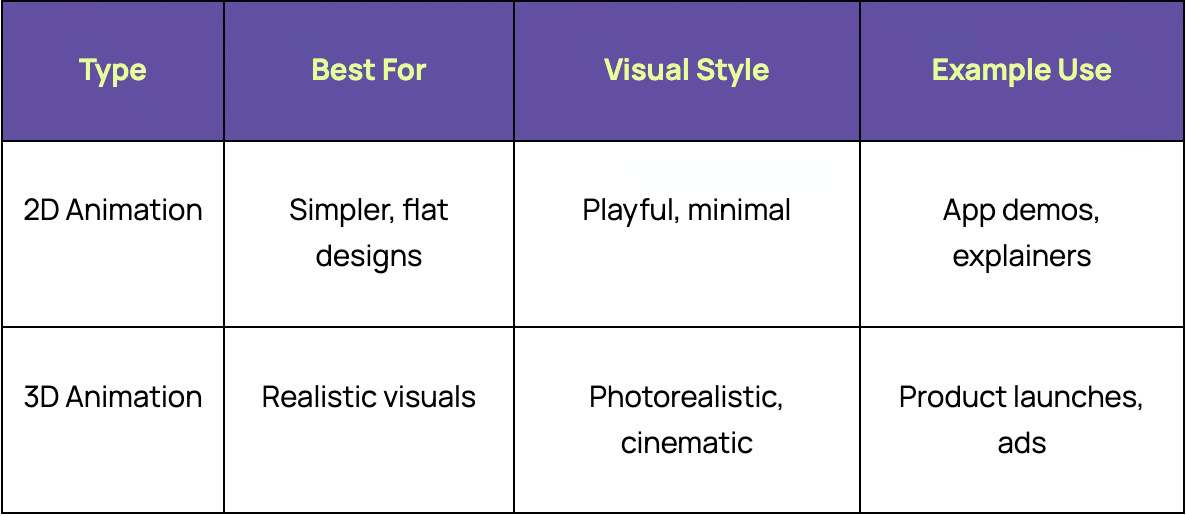
If your product relies on form, texture, or movement, 3D animation will show it best. But if your focus is ease-of-use or storytelling, 2D animation can be more efficient and cost-effective.
How a Product Animation Video Is Made
Here’s how most professional studios (like Elliemotion) bring your idea to life:
- Discovery & Script – Define your audience, core message, and story.
- Storyboard – Visualize each shot before production.
- 3D Modeling / Design – Build your product digitally using reference images or CAD files.
- Animation & Rendering – Bring it to life with realistic motion and lighting.
- Sound & Music – Add voiceovers, sound effects, or music to create emotion.
- Delivery & Adaptation – Export for different formats (social media, web, LED screens, etc.).
Product Animation Examples
Here are a few ways brands use product animation effectively:
- Tech companies: Showing how internal components work (like processors or devices).
- Cosmetic brands: Highlighting texture, color, or ingredient benefits.
- Manufacturers: Demonstrating machinery or assembly lines safely and clearly.
- Startups: Launching new products before physical prototypes exist.
Benefits of Using Product Animation Video in Marketing
- Increases conversion rates – Viewers understand faster and buy with more confidence.
- Saves on production cost – No physical shoot, logistics, or reshoots.
- Perfect for digital platforms – Ideal for websites, YouTube ads, and product pages.
- Tells stories that can’t be filmed – Exploded views, X-rays, or futuristic settings.
A good product animation doesn’t just show — it sells.
How Much Does a Product Animation Cost?
Costs vary based on complexity, duration, and style, but here’s a rough guide:
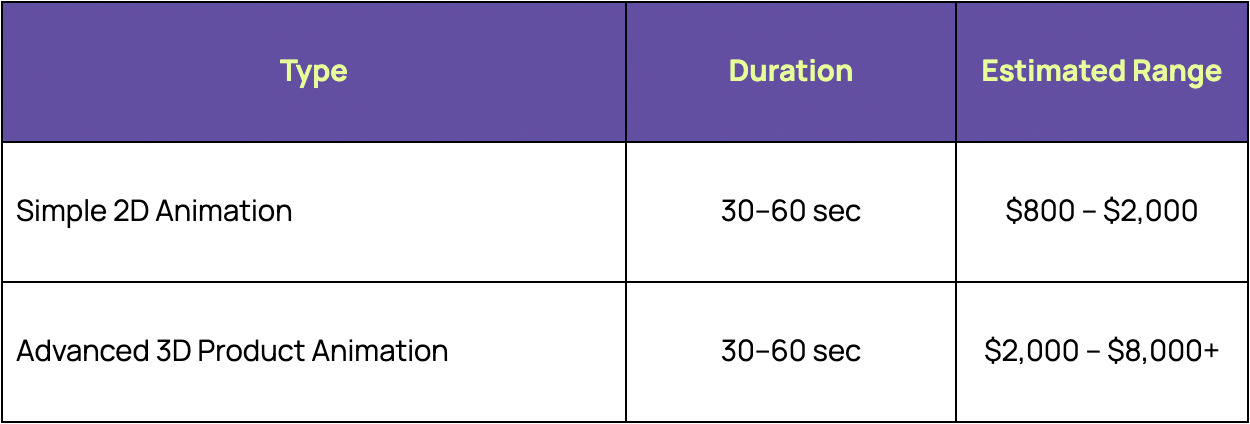
Tip: Focus on quality over length — a short, high-impact 20-second animation often performs better than a long, slow one.
Ready to Animate Your Product Story?
If your brand wants to stand out with high-impact visuals, a product animation video is your best move.
At Elliemotion, we help brands craft 3D product videos that inspire curiosity, explain clearly, and drive conversions.
👉Let’s create an animation that sells, even before your product hits the market.
Frequently Asked Questions
1. Is product animation only for tech or gadgets?
Not at all. It works for any product from beauty and fashion to industrial equipment or apps.
2. How long does production take?
Typically 2–5 weeks depending on complexity, including modeling and rendering.
3. Can I use the animation on my website and ads?
Yes. Product animations can be exported in multiple formats like MP4, GIF, or even vertical for social media.
4. What if I don’t have a 3D model of my product?
Studios can recreate it from photos, sketches, or reference dimensions.
5. Can animation replace traditional product videos?
In many cases, yes. Especially when realism, precision, or flexibility is important.
Visit Us
Mactaggart Building, 42 Mactaggart Road,
#02-01E, Singapore 368086
Contact Us
© Elevate Future Labs Pte. Ltd. 2026