25 March 2026
When Toy Story was released, it didn’t just introduce a new story. It redefined the entire animation industry.
Created by Pixar and distributed by Walt Disney Pictures, it became the first fully computer-generated feature film, proving that CGI could deliver both visual innovation and emotional storytelling.
Why Toy Story Was a Breakthrough
Before Toy Story, most animated films relied on hand-drawn techniques. This film marked a major shift toward digital animation.
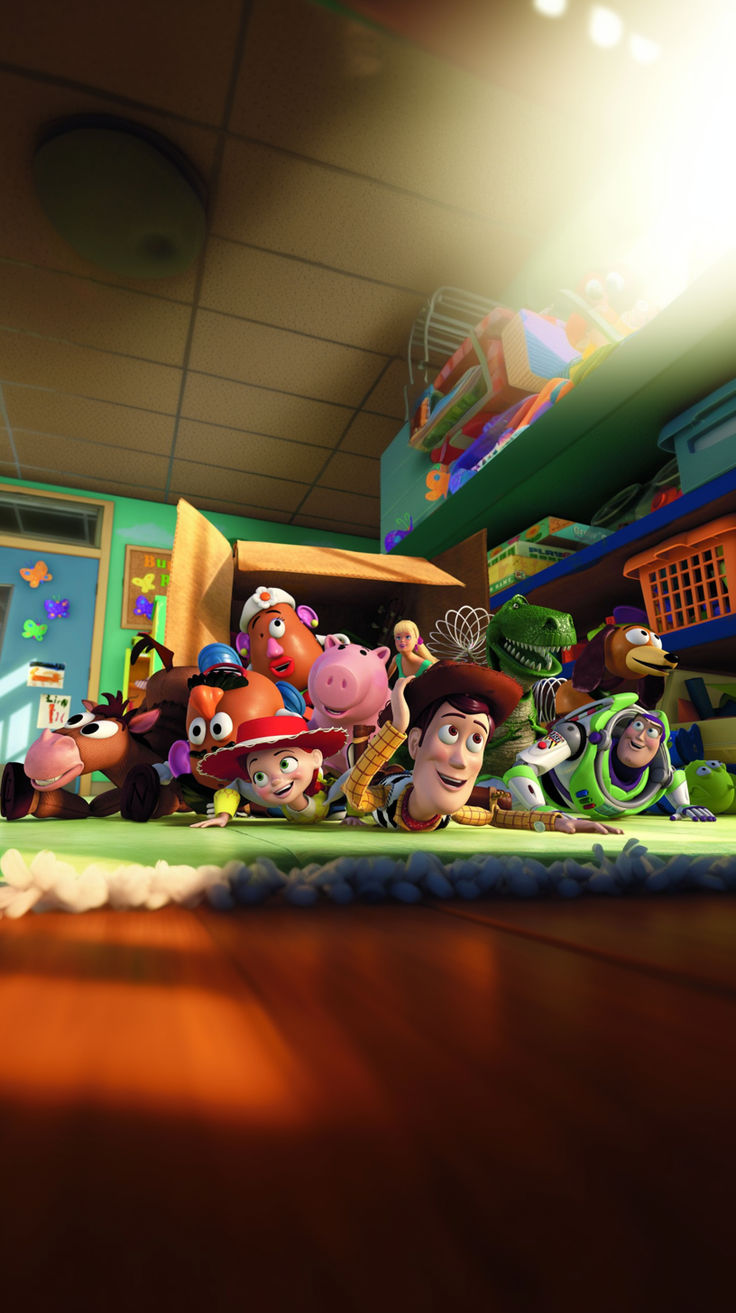
The First Fully CGI Feature Film
Using advanced rendering and modeling techniques, Pixar built a complete 3D world from scratch. Key innovations included:
- Fully digital character animation
- Realistic lighting and shading
- 3D environments with depth and perspective
- Physically consistent object movement
This opened the door for modern animation as we know it today.
The Technology Behind Toy Story
The success of Toy Story was driven by years of technical development.
Custom Animation Tools
Pixar developed proprietary software to handle:
- Character rigging and movement
- Surface textures and materials
- Lighting simulations
- Rendering pipelines
These tools allowed animators to bring characters like Woody and Buzz to life with precision and personality.
Character Animation That Feels Alive
One of the biggest achievements of Toy Story is how it makes digital characters feel real.
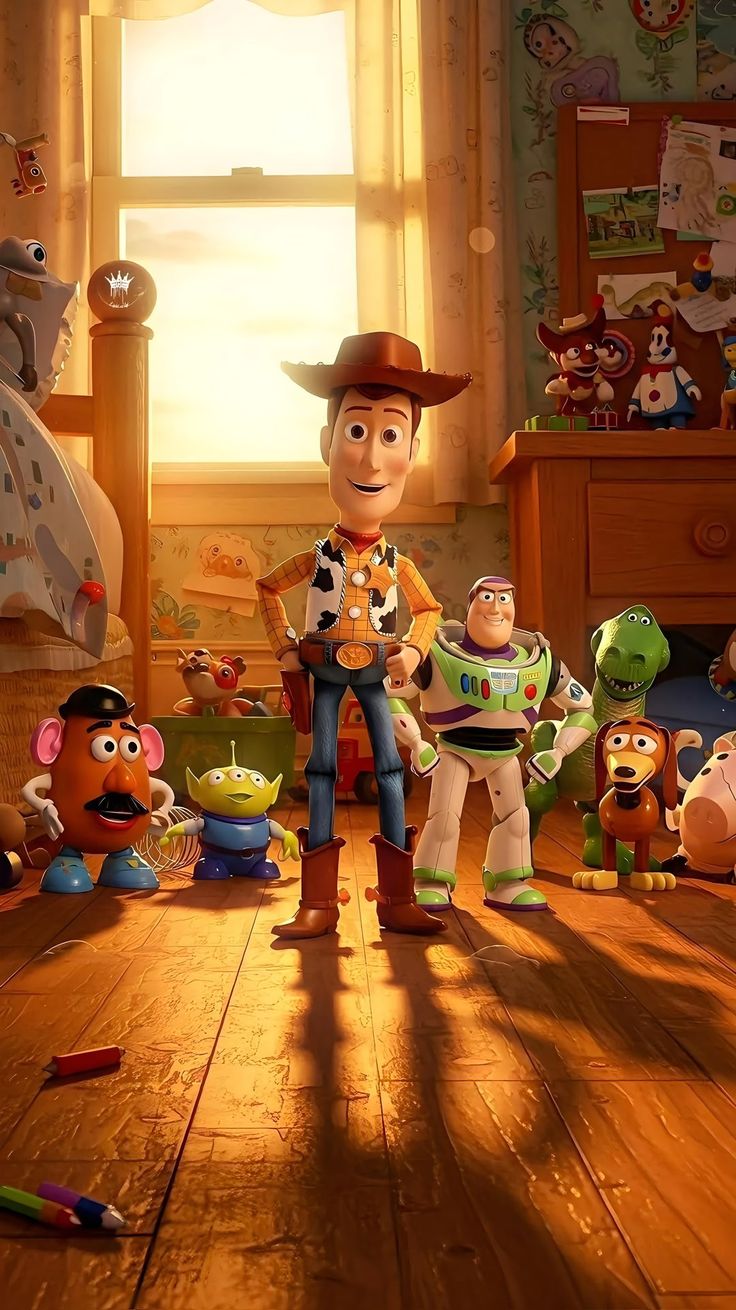
Acting Through Animation
Animators focused heavily on performance:
- Facial expressions convey emotion clearly
- Body language reflects personality
- Timing and pacing enhance storytelling
Characters like Woody and Buzz Lightyear became iconic because they felt believable, not just visually impressive.
Smart Design Choices for Early CGI
Given the technical limitations of the time, Pixar made clever creative decisions.
Why Toys Were the Perfect Subject
Animating humans realistically was still difficult in 1995. By choosing toys as characters, Pixar worked within the strengths of CGI. Benefits included:
- Hard surfaces that were easier to render
- Simplified textures
- Stylized movement that still felt natural
This decision helped maintain visual quality while telling a compelling story.
Storytelling That Matches the Technology
While the technology was groundbreaking, the story is what made Toy Story unforgettable.
Emotional Core
At its heart, the film explores:
- Friendship and loyalty
- Identity and purpose
- Fear of being replaced
This emotional depth elevated the film beyond a technical showcase.
Want to create animation that doesn’t just look good but actually connects? Contact us to discover how storytelling, 3D animation, and creative strategy come together to build impactful brand campaigns.
The Lasting Impact on Animation
The influence of Toy Story can still be seen today.
Industry Transformation
After its success:
- CGI became the standard for animated films
- Studios invested heavily in 3D animation
- New pipelines and tools were developed globally
Modern films from studios like Pixar and Walt Disney Animation Studios build on the foundation Toy Story created.
What Brands Can Learn From Toy Story
The success of Toy Story offers valuable lessons beyond filmmaking.
Key Takeaways for Marketing and Content
- Innovation alone is not enough, storytelling matters
- Strong characters create emotional connection
- Simplicity can enhance clarity and impact
- Technology should support the narrative, not replace it
These principles are highly relevant for brands using animation today.
Also read: Best Animated Movies of All Time
Frequently Asked Questions (FAQ):
1. Why is Toy Story important in animation history?
Toy Story is the first fully CGI animated feature film and changed how animation is produced globally.
2. Who created Toy Story?
It was created by Pixar and directed by John Lasseter.
3. What made Toy Story visually unique?
Its use of full 3D computer-generated animation, realistic lighting, and digital environments set it apart from traditional animation.
4. Why were toys chosen as characters?
Toys were easier to animate with early CGI technology due to their simpler textures and rigid structures.
5. Is Toy Story still relevant today?
Yes. Its storytelling, characters, and technical innovation continue to influence modern animation.
Visit Us
Mactaggart Building, 42 Mactaggart Road,
#02-01E, Singapore 368086
Contact Us
© Elevate Future Labs Pte. Ltd. 2026