AI-Assisted Animation vs Traditional Animation: What Actually Changes
Case Study
2026-11-08T02:30:00.000Z
A lot of studios now say "AI-assisted."
It's worth knowing what that actually changes, and what it doesn't.
Where AI Speeds Things Up
Early concept passes move faster. Testing a few different visual directions used to mean a few days of rough sketches or blocking. Now that first pass can happen in hours, which leaves more time for the direction that actually gets chosen.
Where a Human Animator Still Leads
Final polish, timing, and anything that needs to feel specific to a brand still comes down to a director and an animator making judgment calls. AI can generate options. It doesn't decide which one is right for the brand.
What "Automated" Animation Production Actually Means
Automated doesn't mean unattended. Every output still goes through review before it reaches a client. What's automated is the early, repetitive part of the process, not the sign-off.
Cost: What Actually Changes
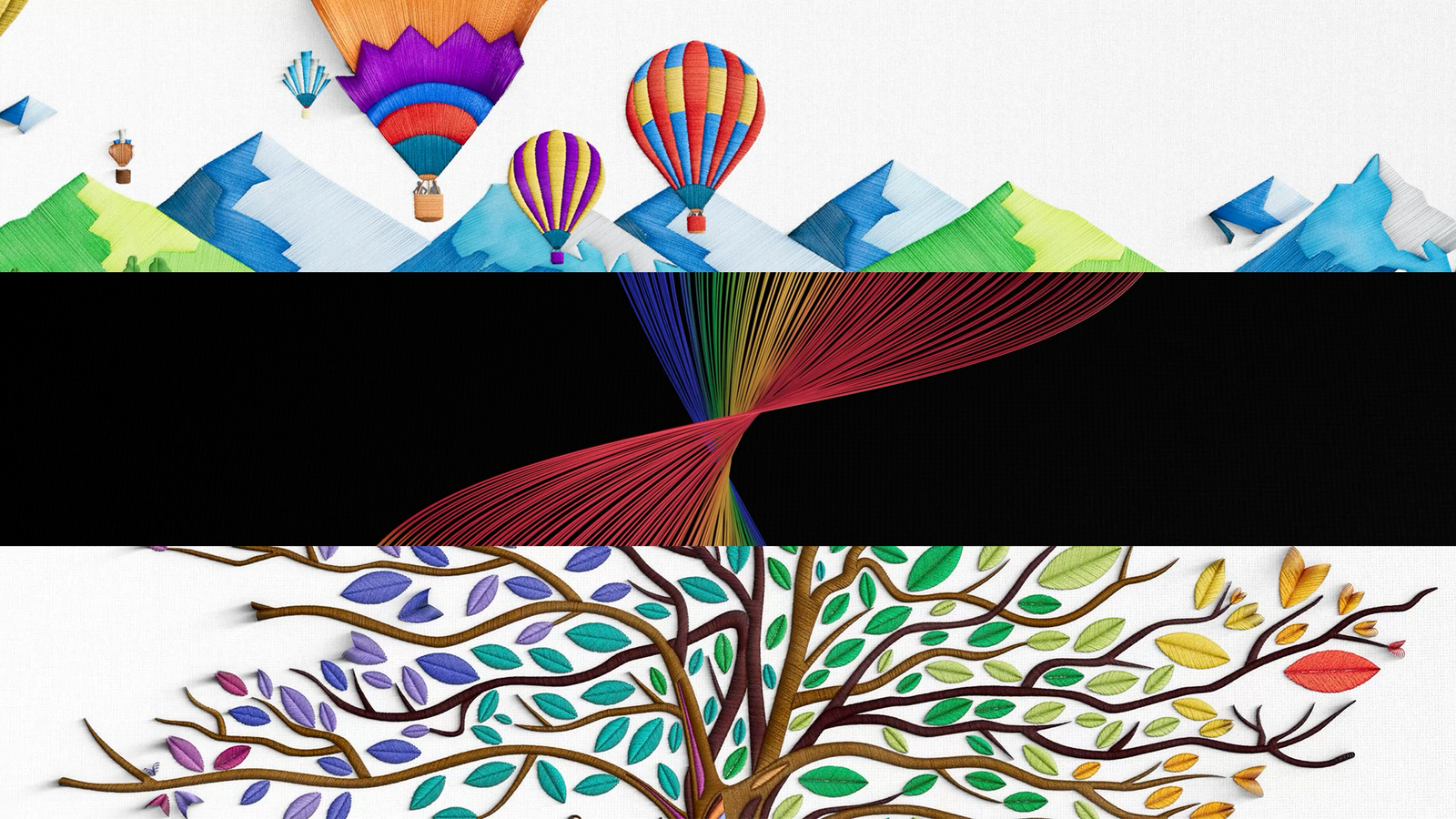
AI can cut the time spent on early concept rounds, but a finished piece still needs direction, review and polish. Cost tends to shift toward that final stage rather than disappear. Our ATx Summit 2026 film used this kind of hybrid approach, AI-assisted in parts of the process, directed and finished by hand.
Turnaround: What Actually Changes
The real time saving shows up earlier than most people expect: in how fast a studio can show you a first direction, not in how fast the final render comes out. A comparison round that used to take a week can often happen in a few days instead.
See this in practice in Can AI Replace Your Video Production Shoot?, which looks at two real projects, for Deloitte and FIFA, where the answer was different each time.
For what an AI-assisted result actually looks like next to the finished brand work, see What an AI-Assisted Commercial Actually Looks Like.
Thinking Through an AI-Assisted Production?
Get in touch and we'll tell you honestly where AI helps on your brief, and where it doesn't.
FAQ
1. Is AI-assisted animation cheaper than traditional animation?
Often, but not always. It depends on how much of the project is early concept work versus final polish. A piece that needs heavy final-stage detail won't see much cost difference.
2. Does AI animation take less time end to end?
The time saved is usually at the start, in concept and direction, rather than at the end. Final production and review still take the time they need.
3. Can AI replace a professional animator?
No. It changes what an animator spends time on, shifting effort away from repetitive early passes and toward direction and final quality, rather than replacing the role.
4. What does "automated animation production" actually mean in practice?
It means some of the early, repetitive steps run faster with AI tools. It doesn't mean a project runs without a director or animator reviewing the work.
Related Reading
Can AI Replace Your Video Production Shoot? · ChatGPT Animation: How Brands Use AI to Power Smarter Motion