5 Real Digital Out-of-Home Advertising Examples
Case Study
2026-11-11T01:00:00.000Z
The easiest way to understand digital out-of-home advertising is to see it.
Five real campaigns, five different goals, same category. Here's what DOOH looks like when it's built for the brief instead of just filling a screen.
1. Samsung Galaxy Z Fold7: 3D Anamorphic for a Product Launch
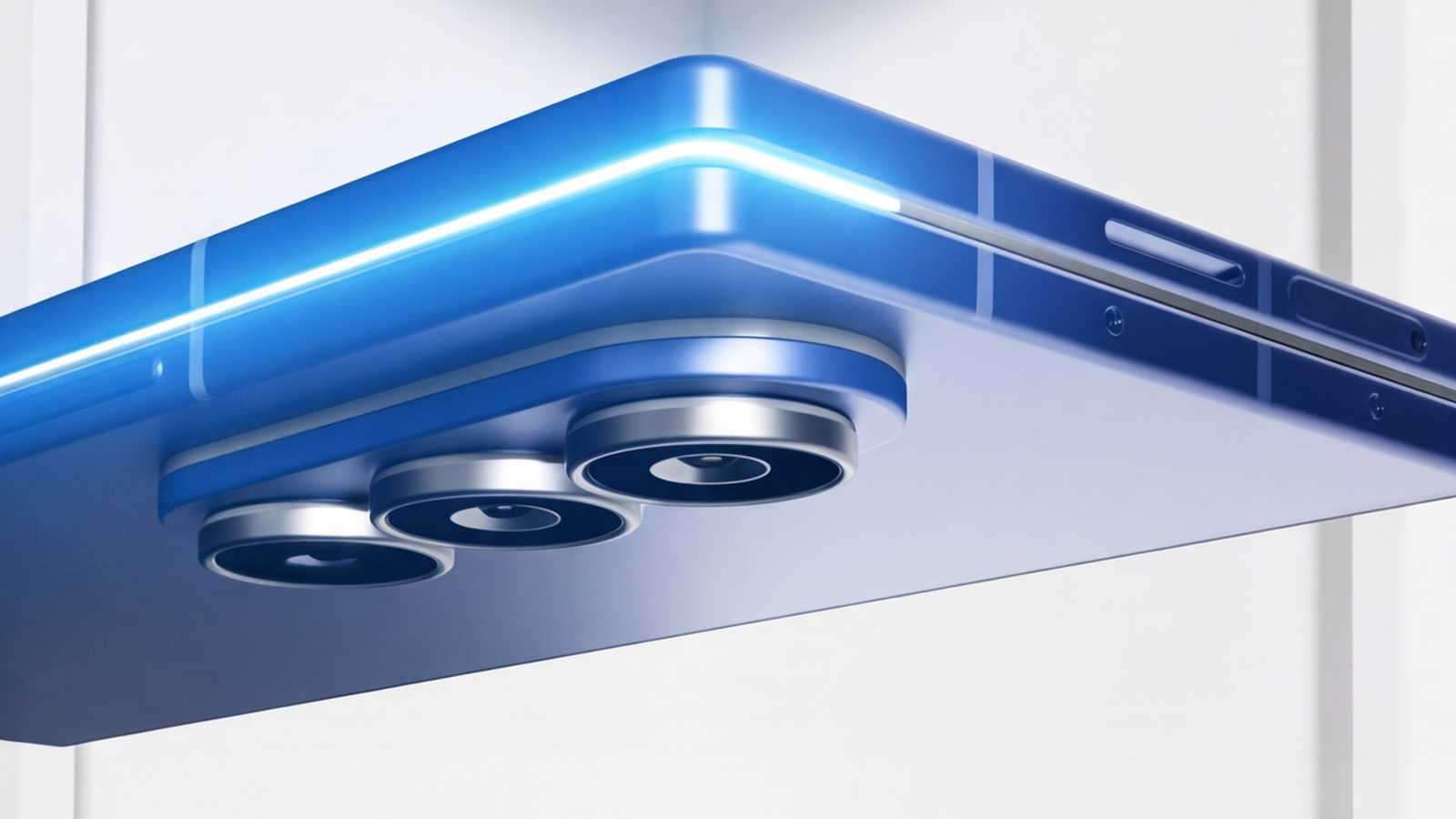
Working with JCD Australia and Clemenger BBDO Melbourne, we built a 3D anamorphic activation for a high-traffic Melbourne site, making the Galaxy Z Fold7 appear to unfold past the edge of the screen. Goal: make a premium product feel big in a city full of screens.
See the full case study: Samsung Galaxy Z Fold7.
2. Borderlands 4: Large-Format DOOH for a Game Launch
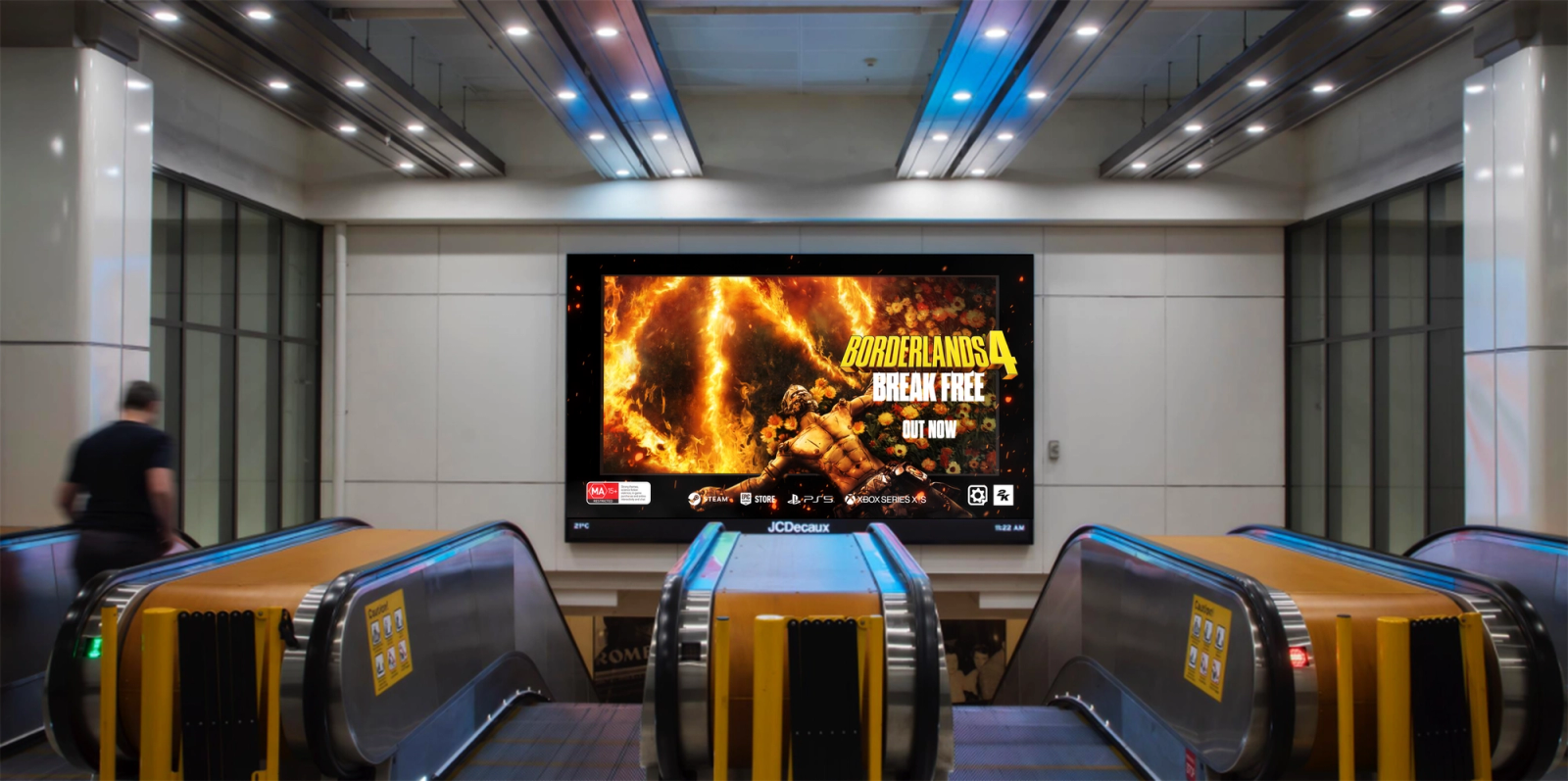
For one of the year's most anticipated AAA titles, we built large-format digital content for Wynyard station in Sydney, carrying the game's chaotic, cel-shaded look into a real commuter space. Goal: translate hype into a physical moment at launch week scale.
See the full case study: Borderlands 4 - Break Free.
3. Dan Murphy's: A Fast-Turnaround DOOH Activation
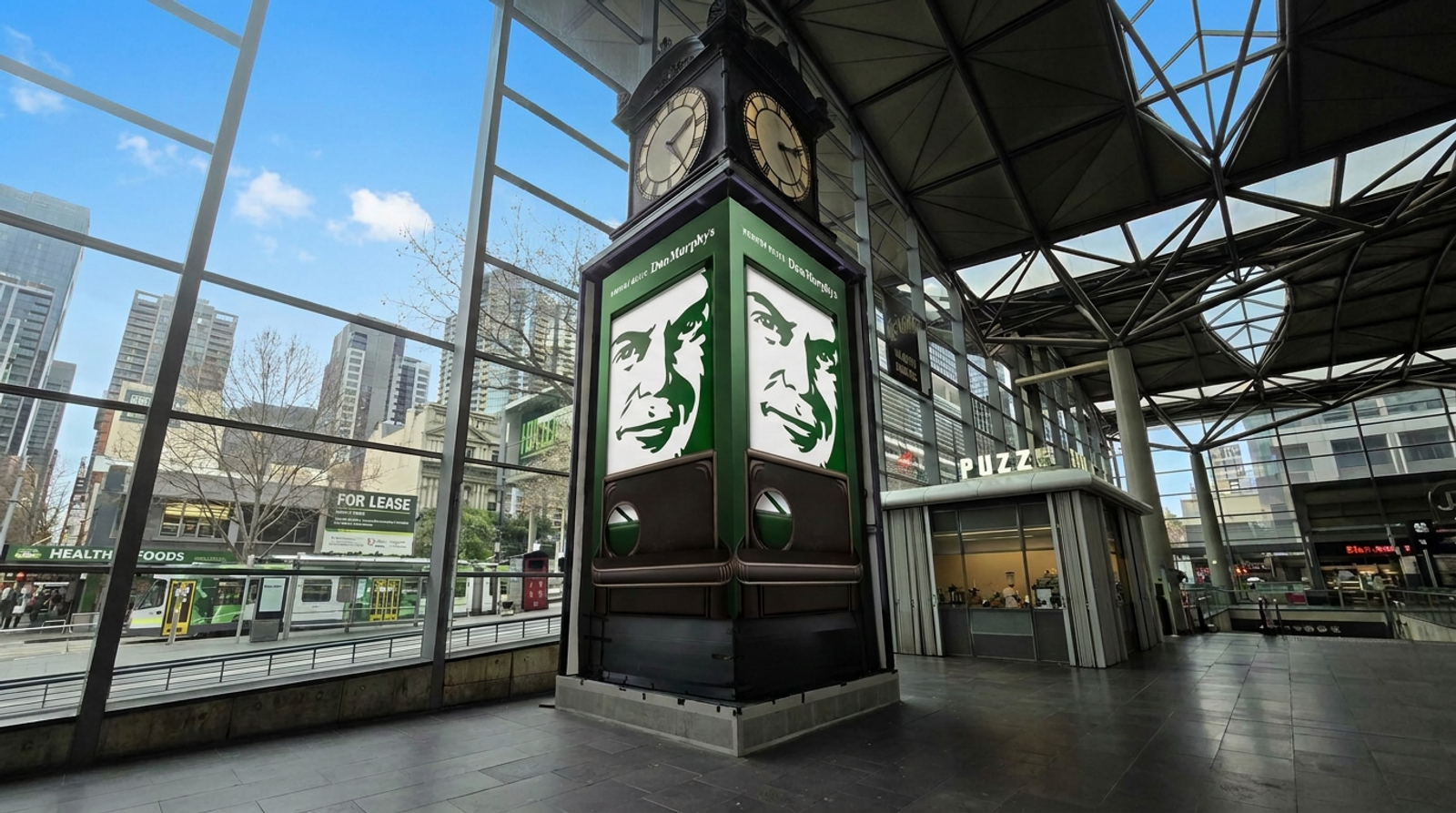
Partnering with Clemenger, we turned Dan Murphy's "Eye for Detail" campaign into a bold screen activation, delivered end-to-end in under two weeks. Goal: prove a sharp, simple idea doesn't need a long production runway.
See the full case study: Dan Murphy's - Eye for Detail.
4. Martell Noblige: 3D Anamorphic for a Premium Spirit at Street Level
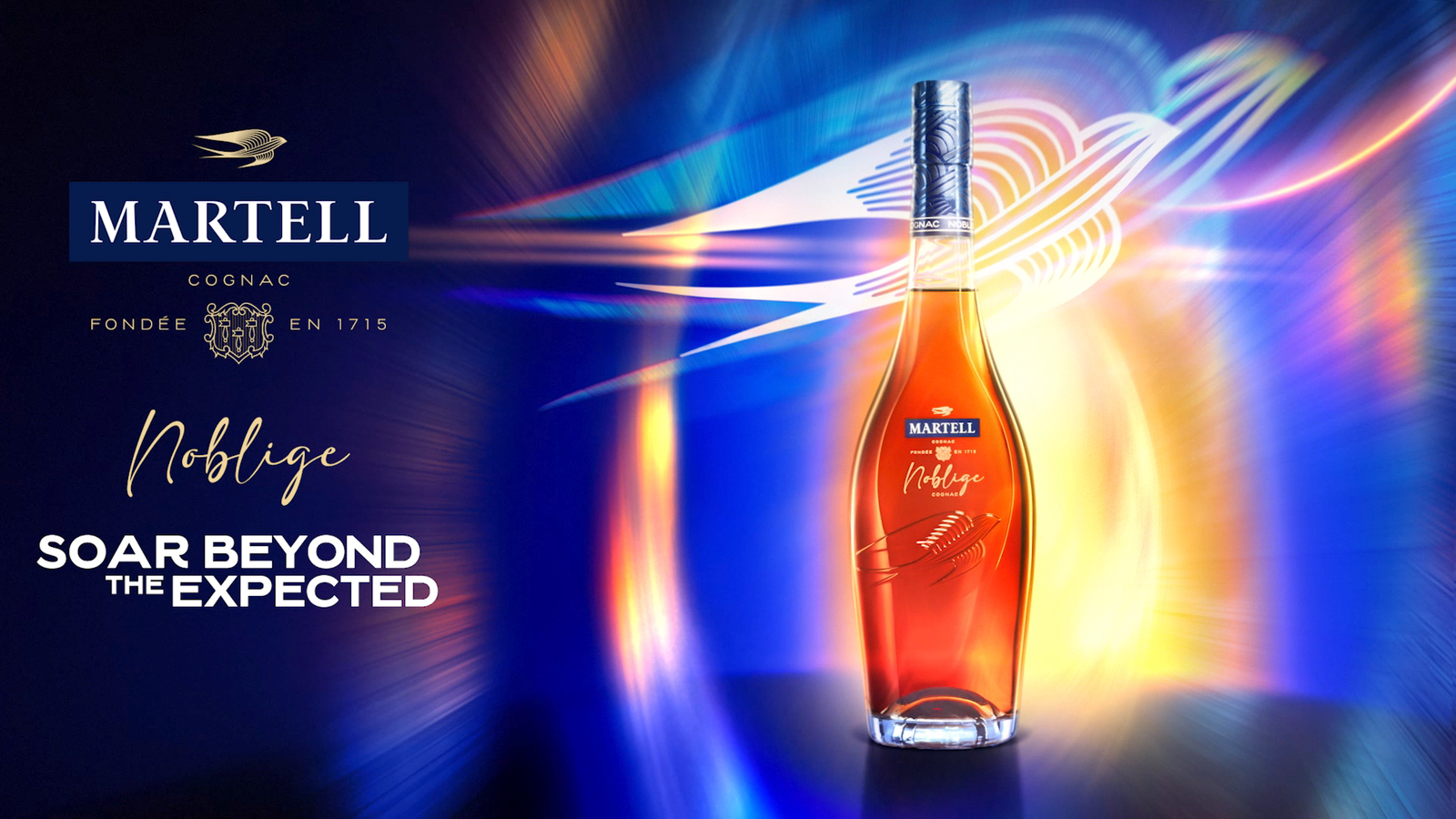
Not every DOOH goal is a trade show or a train station. For Martell Noblige, a 3D anamorphic display ran on a street-level bus stop screen, bringing a premium spirits brand into an everyday commute instead of a one-off event. Goal: make a premium product impossible to scroll past on an ordinary day.
5. V Energy: DOOH Built for Multiple Product Variants
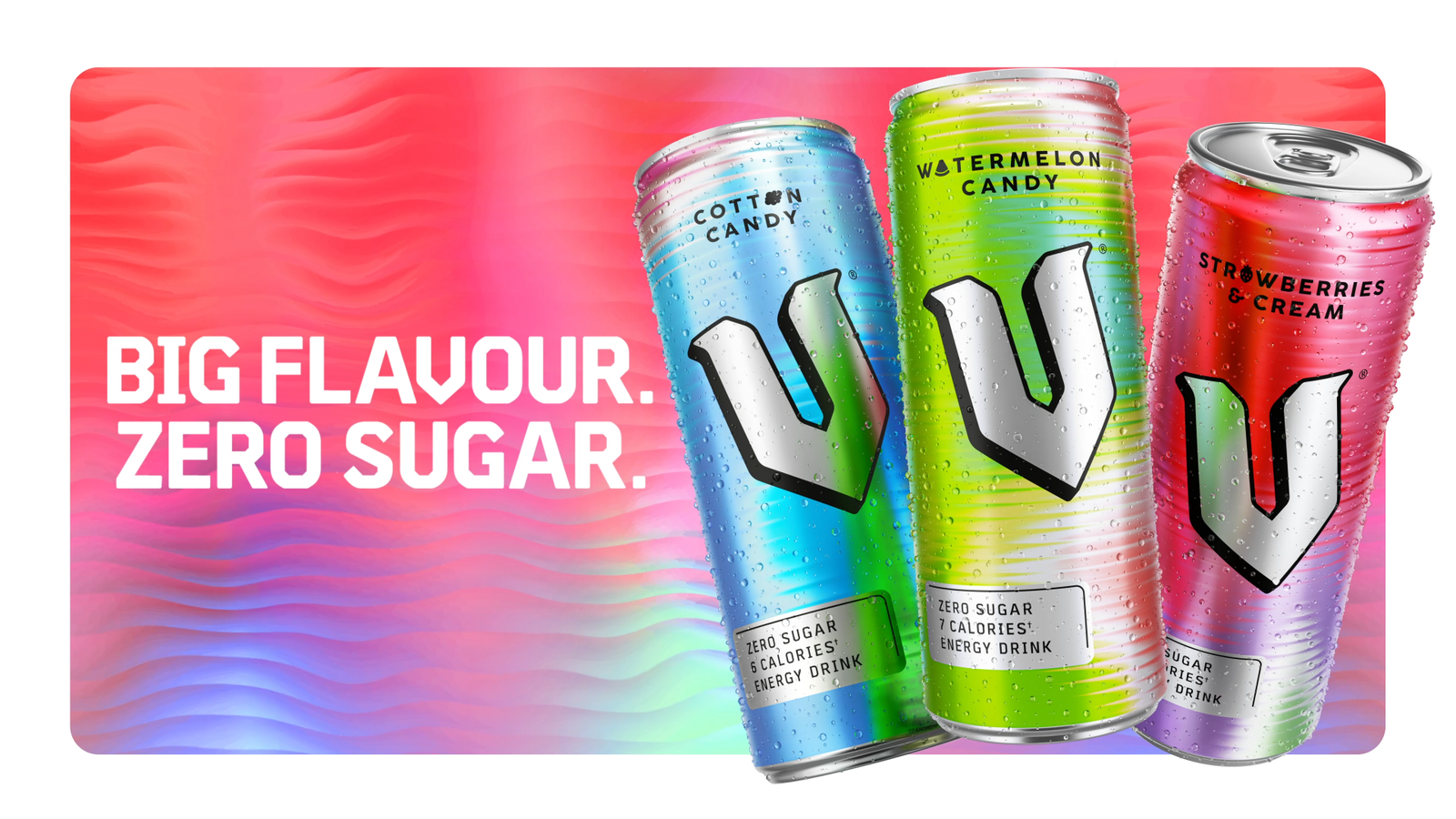
Commissioned by OMD Australia and JCD Australia, this range launch needed a false-perspective effect across several new flavours at once. We used a hybrid AI-driven pipeline to generate the brand and product assets for each variant. Goal: one striking effect, multiplied across a full product range without multiplying the budget.
See the full case study: V Energy - Forced Perspective.
What These Five Campaigns Have in Common
- Every one started with a single goal, not a generic brief to "fill the screen."
- The format matched the goal. 3D anamorphic for standout moments, large-format motion for scale, a simple loop where reach mattered more than spectacle.
- Location mattered as much as content. A train station, a trade show floor, and a flagship street site each called for a different approach.
Planning Your Own DOOH Campaign?
Whichever of these five looks closest to your brief, the starting point is the same: a clear goal, the right location, and a format built for that specific screen.
and we'll help you figure out which one fits.
FAQ
1. What makes a good digital out-of-home advertising example?
A clear goal matched to the right format and location. The five campaigns here all had a specific job, a launch, a trade show moment, a multi-variant range, rather than a generic video loop.
2. Do all DOOH campaigns need to be 3D anamorphic?
No. Borderlands 4 used large-format motion content without the anamorphic effect, and it worked because the goal was scale and energy, not an optical illusion.
3. Can DOOH work for a trade show, not just a public street?
Yes. Our Certis campaign ran inside a trade show booth, using the same anamorphic principles as a street billboard, just built for the booth's screen instead.