Studio Ghibli Animation Style: Why It Feels So Magical
Animations
2026-03-13
The animation style of Studio Ghibli is instantly recognizable. Soft landscapes, expressive characters, and moments of quiet beauty combine to create films that feel alive in a way few animated works do.
Rather than relying on spectacle alone, Studio Ghibli focuses on atmosphere, emotion, and careful observation of the real world. This philosophy, shaped largely by filmmaker Hayao Miyazaki and director Isao Takahata, has made the studio one of the most influential forces in animation.
Understanding the Studio Ghibli animation style reveals why its films continue to resonate with audiences across generations.
Hand Drawn Craftsmanship
One of the defining traits of the Studio Ghibli style is its commitment to traditional hand drawn animation.
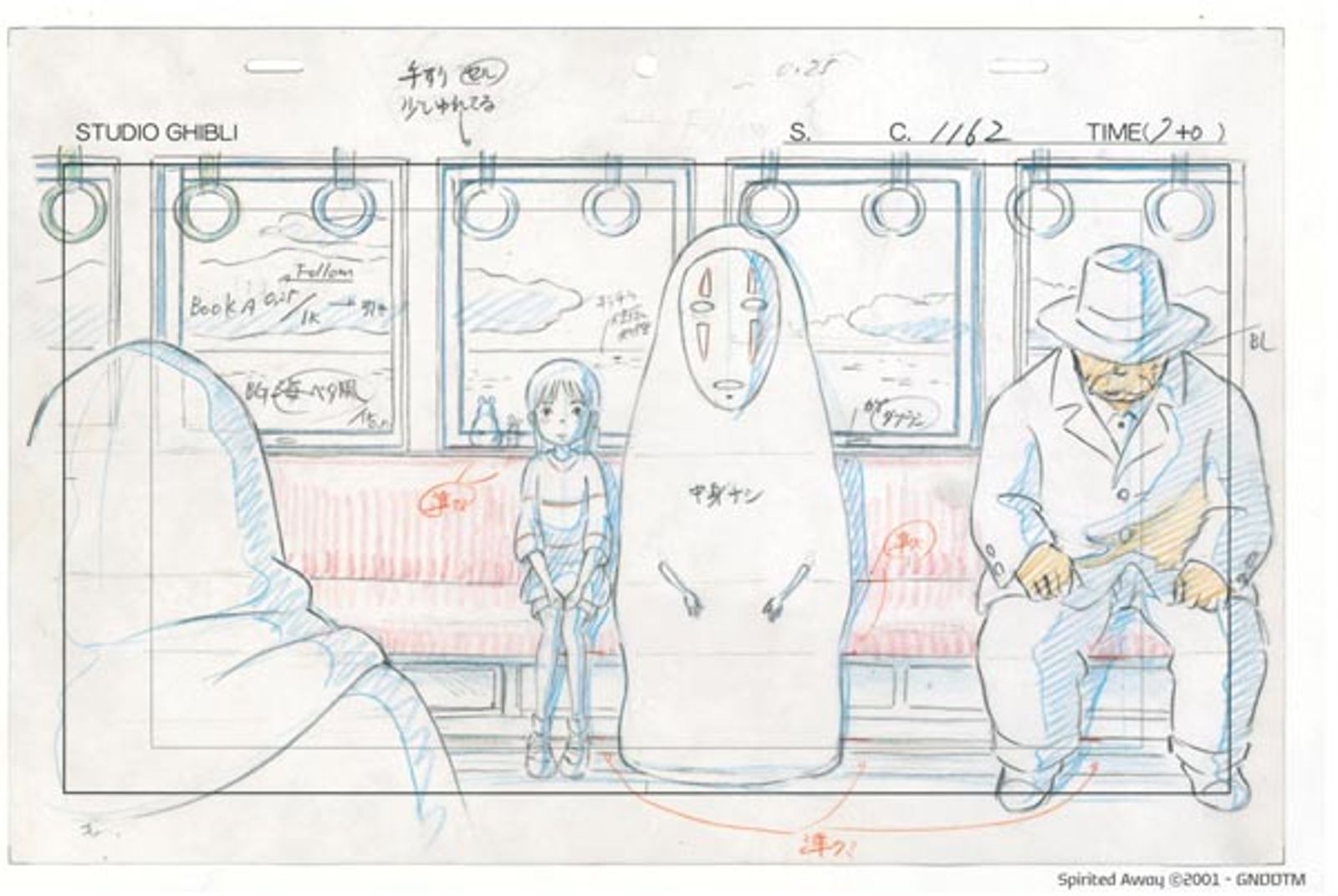
Instead of relying heavily on automated digital processes, animators carefully draw thousands of frames to create natural movement and subtle expressions. This approach gives Ghibli films a warmth and texture that feels personal and organic.
Attention to Small Movements
Characters often display tiny gestures that mirror real human behavior. A character may pause before speaking, adjust their clothing, or look around a room before reacting.
These small details make characters feel believable and grounded.
Films like Spirited Away demonstrate how subtle animation can communicate emotion without dialogue.
Nature as a Living Character
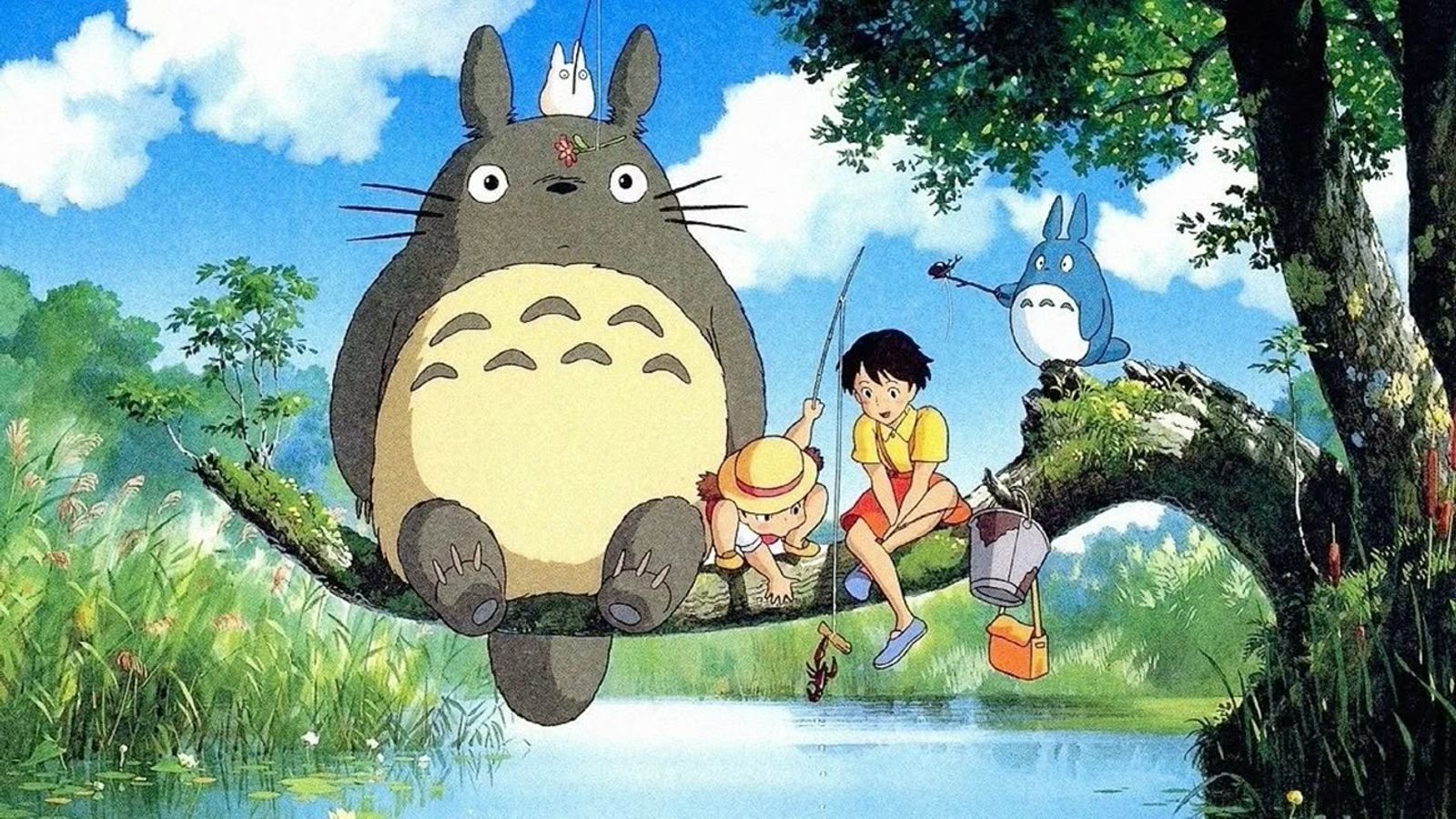
Nature plays a central role in many Studio Ghibli films. Forests move with the wind, water flows realistically, and landscapes are animated with great care.
Rather than treating environments as simple backdrops, Ghibli artists design worlds that feel alive.
Environmental Detail
A forest scene might include:
- Moving grass and leaves
- Light filtering through trees
- Small animals reacting to characters
- Weather shifts that change the mood
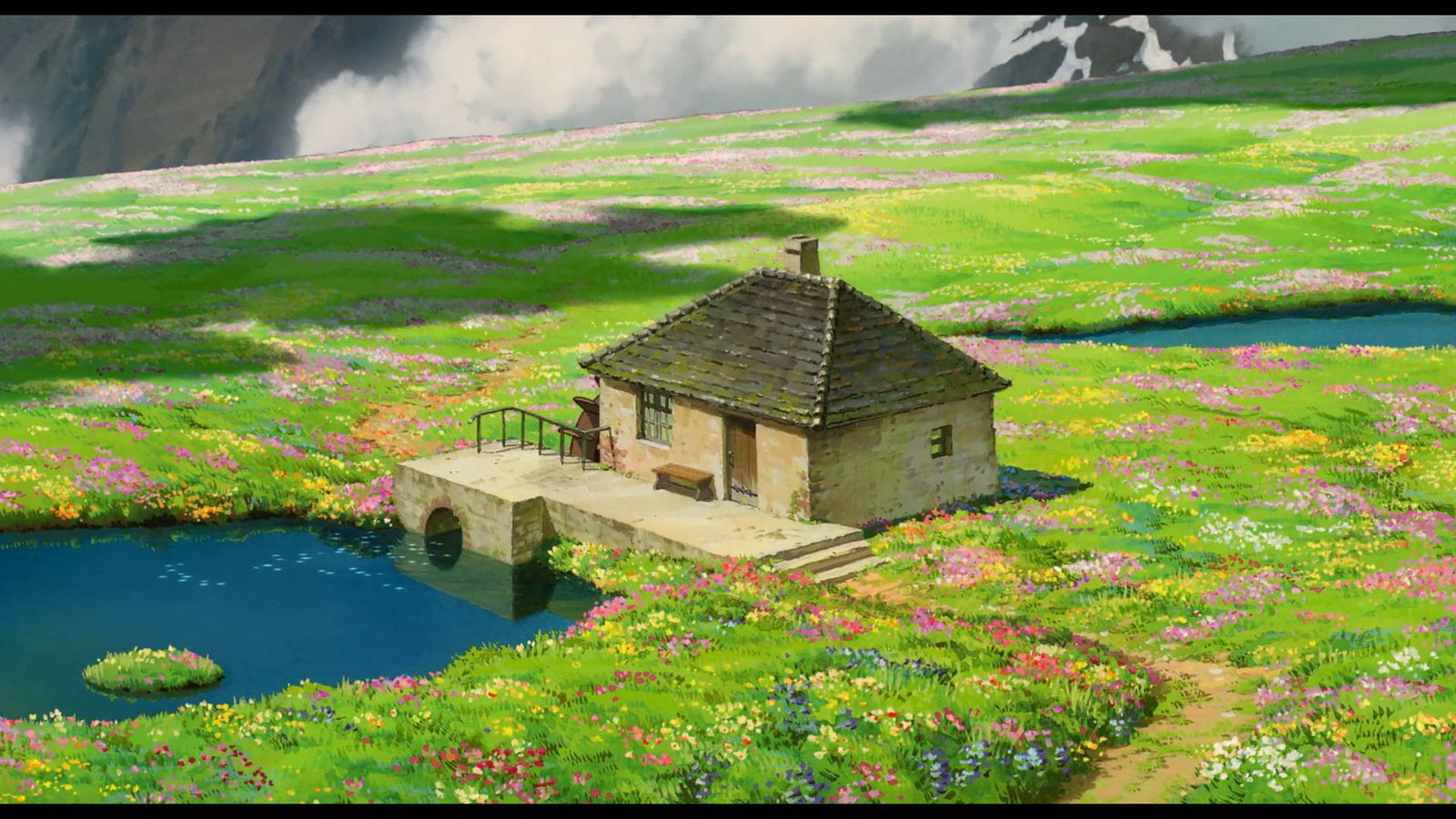
This environmental storytelling is especially powerful in films such as Princess Mononoke.
The Power of Quiet Moments
Many modern animated films emphasize constant action. Studio Ghibli takes a different approach.
Ghibli films often include moments where the story pauses and characters simply exist within their environment.
“Ma” in Animation
This concept, sometimes called ma in Japanese aesthetics, refers to the space between actions. These moments give audiences time to absorb emotion and atmosphere.
For example, in My Neighbor Totoro, characters spend time exploring nature or quietly waiting at a bus stop in the rain. These scenes help create emotional depth and immersion.
Expressive Yet Subtle Character Design
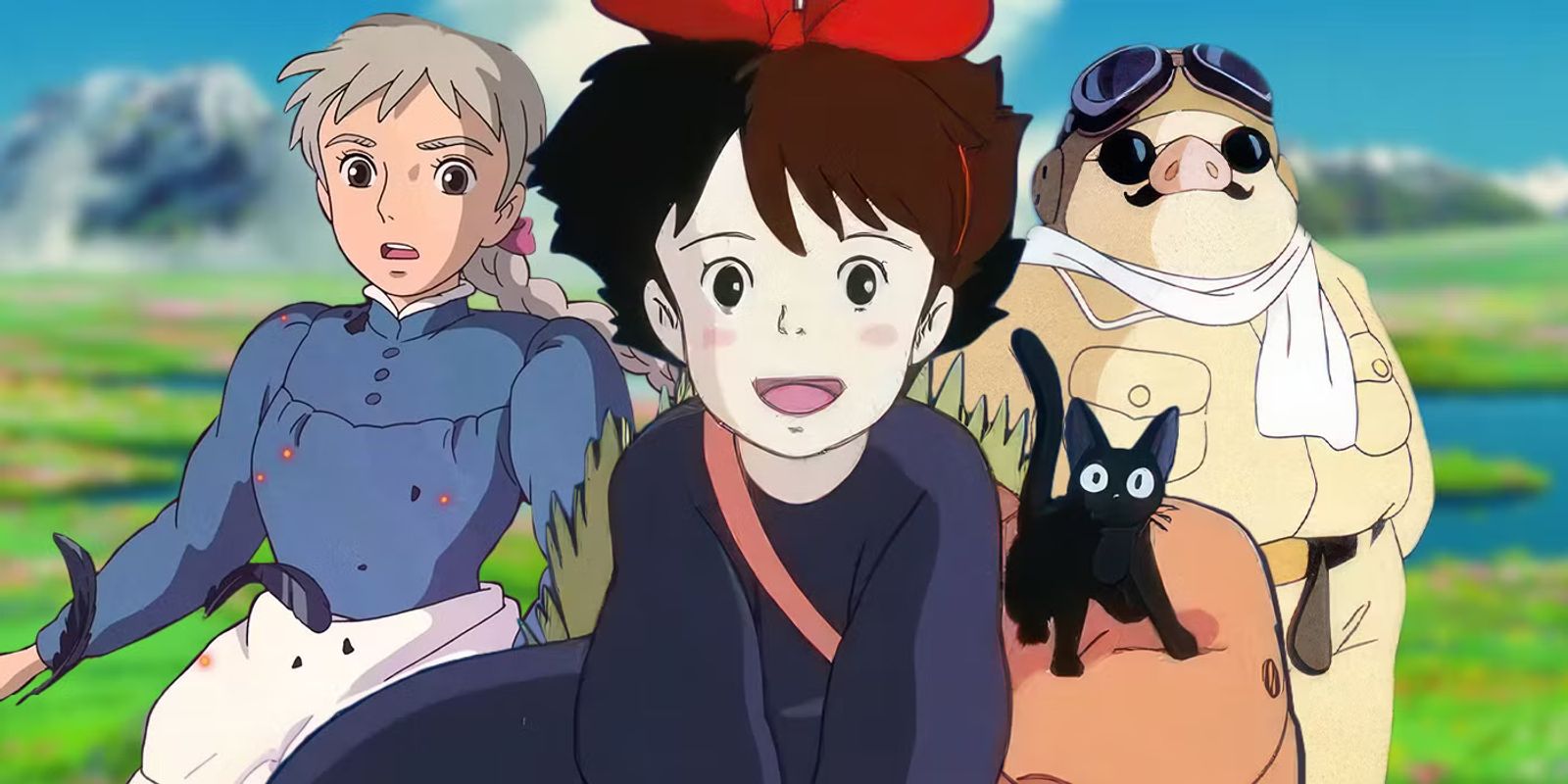
Studio Ghibli characters are designed to feel relatable rather than exaggerated.
Instead of extreme cartoon distortion, the studio often uses simplified but expressive facial features.
Balanced Character Design
Ghibli characters typically feature:
- Soft facial shapes
- Natural body proportions
- Expressive eyes
- Gentle color palettes
This design approach allows audiences to connect emotionally with the characters.
Color and Lighting That Shape Atmosphere
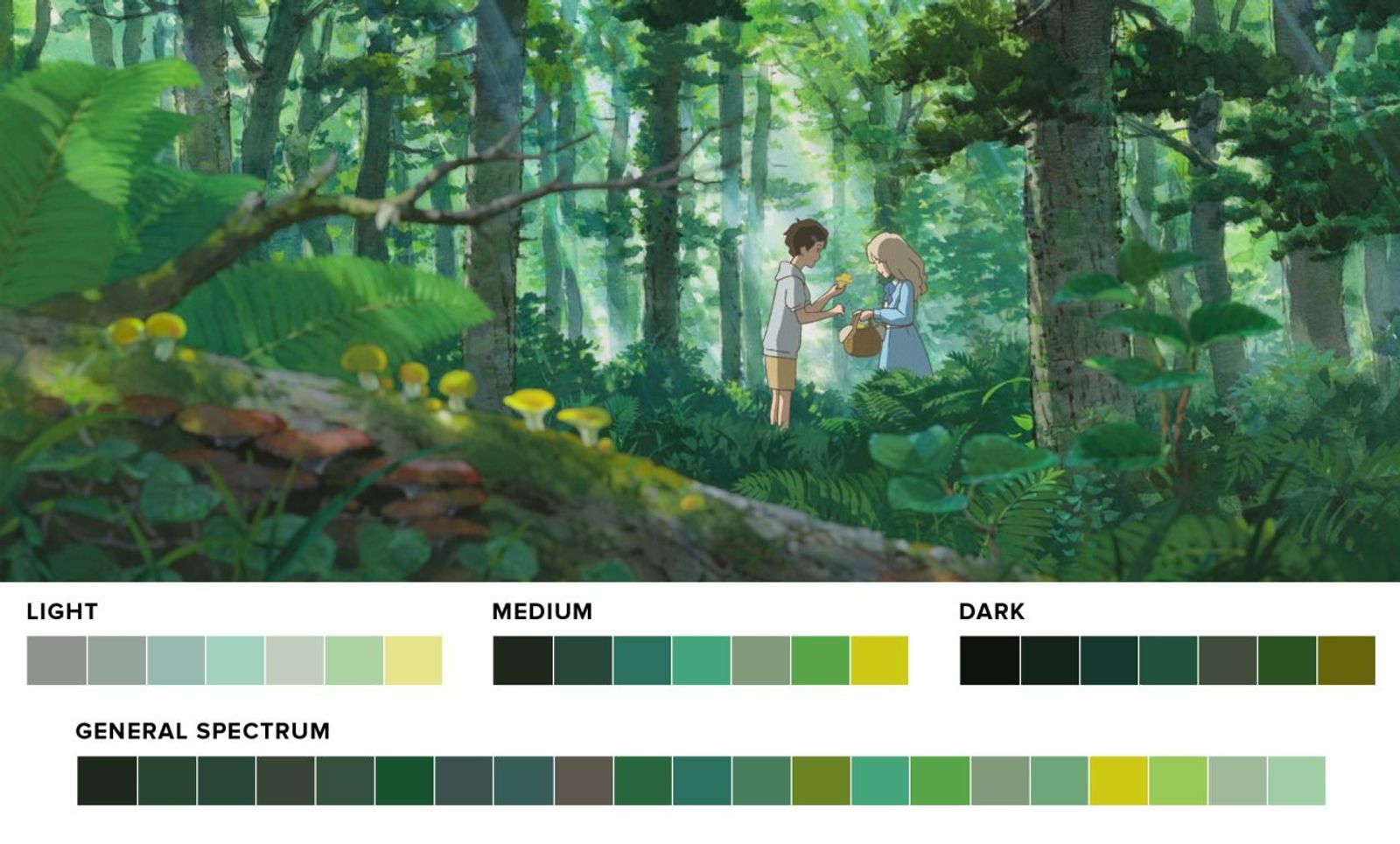
Another key aspect of the Studio Ghibli animation style is its use of color and lighting.
Background artists use watercolor inspired palettes to create environments that feel soft, dreamy, and cinematic.
Mood Through Color
Different films use color to establish tone:
- Warm greens and earth tones in My Neighbor Totoro
- Dark forest shadows and dramatic contrasts in Princess Mononoke
- Surreal neon and spirit world lighting in Spirited Away
Lighting is often subtle but carefully layered to enhance depth and emotion.
Mechanical Design and Fantasy Worlds
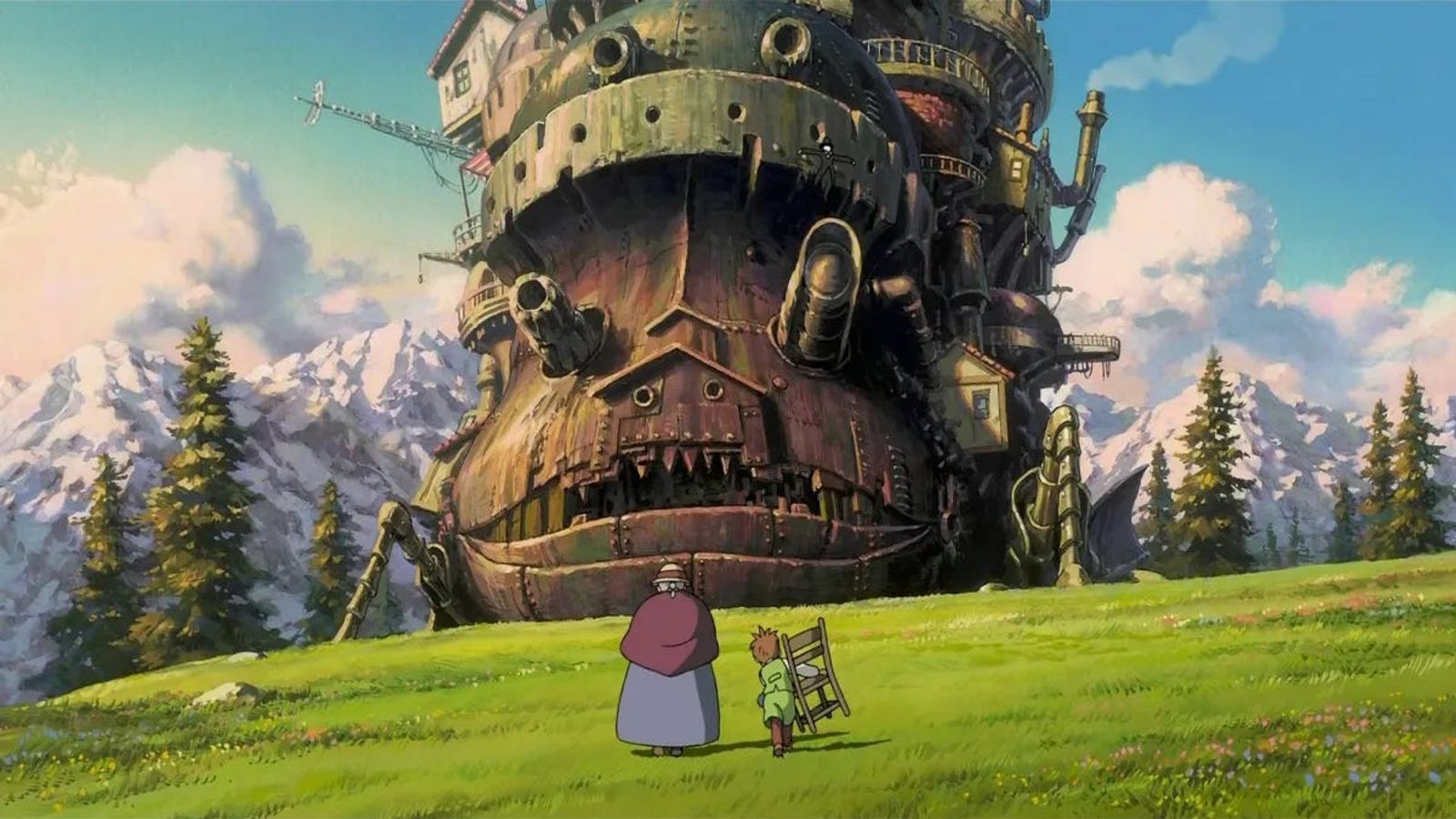
While nature is central to many Ghibli stories, the studio is also famous for its imaginative machines and fantastical architecture.
One of the most memorable examples is the moving mechanical structure in Howl's Moving Castle.
Detailed Mechanical Animation
Ghibli machines often feature:
- Visible gears and joints
- Complex layered movement
- Hand drawn mechanical textures
These designs combine industrial realism with fantasy aesthetics.
Emotional Storytelling Through Animation
The Studio Ghibli animation style supports emotional storytelling rather than overpowering it.
Movement, lighting, and environment are carefully designed to reinforce the characters’ experiences.
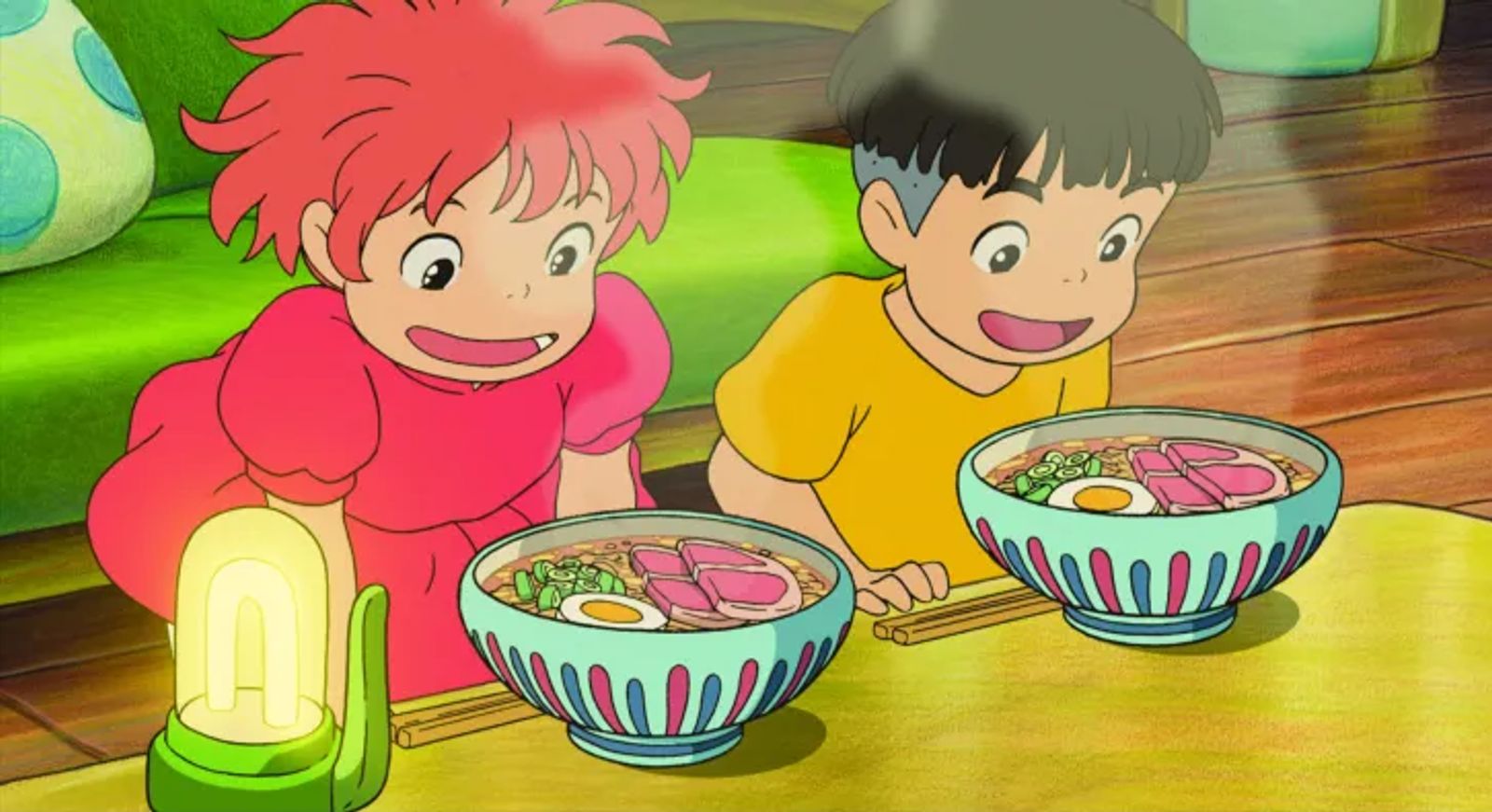
Whether portraying childhood curiosity, fear, wonder, or resilience, Ghibli animation communicates emotion visually rather than relying solely on dialogue.
Why the Studio Ghibli Style Is So Influential
The visual philosophy of Studio Ghibli has influenced animators, filmmakers, and designers around the world.
Many artists admire the studio’s ability to balance:
- Artistic craftsmanship
- Emotional storytelling
- Environmental world building
- Timeless visual aesthetics
This influence can be seen across animation, video games, and illustration communities.
Also read: Studio Ghibli: The Animation Studio That Redefined Storytelling
Frequently Asked Questions (FAQ)
1. What defines the Studio Ghibli animation style?
The Studio Ghibli style combines hand drawn animation, natural environments, expressive characters, and quiet storytelling moments.
2. Who created the Studio Ghibli animation style?
The style was shaped primarily by filmmakers Hayao Miyazaki and Isao Takahata.
3. Are Studio Ghibli films fully hand drawn?
Most scenes are traditionally hand drawn with some digital tools used for coloring and compositing.
4. Why do Studio Ghibli environments feel so realistic?
Artists observe real landscapes, architecture, and weather patterns to create believable environments with detailed animation.
5. Which Studio Ghibli films best represent the animation style?
Films such as Spirited Away, My Neighbor Totoro, and Princess Mononoke showcase the studio’s signature visual approach.