09 March 2026
Few animation studios have shaped global storytelling the way Studio Ghibli has. Known for breathtaking hand drawn animation, emotionally rich narratives, and imaginative worlds, the studio has become one of the most respected names in global animation.
Founded in 1985, Studio Ghibli helped transform Japanese animation into a global cultural force, influencing filmmakers, illustrators, and creative studios around the world.
Since its founding, Studio Ghibli has grown into one of the most influential animation studios in modern cinema, proving that animated films can carry the same emotional weight and artistic ambition as live-action storytelling.
The Origins of Studio Ghibli

Studio Ghibli was founded by visionary filmmakers Hayao Miyazaki and Isao Takahata together with producer Toshio Suzuki.
The studio emerged after the success of Nausicaä of the Valley of the Wind, a film that demonstrated animated storytelling could explore complex themes while achieving commercial success.
The name “Ghibli” comes from an Italian word referring to a hot desert wind. Miyazaki chose the name to symbolize bringing a fresh creative wind into the animation industry.
The Storytelling Style That Defines Studio Ghibli
What makes Studio Ghibli unique is not just the animation quality. It is the studio’s storytelling philosophy.
Character Driven Narratives
Many Studio Ghibli films focus on personal journeys rather than traditional hero narratives. Young protagonists often discover courage, empathy, and independence through quiet but meaningful experiences.
Films like Spirited Away and My Neighbor Totoro show how everyday emotions can coexist with extraordinary worlds.
Worlds That Feel Alive
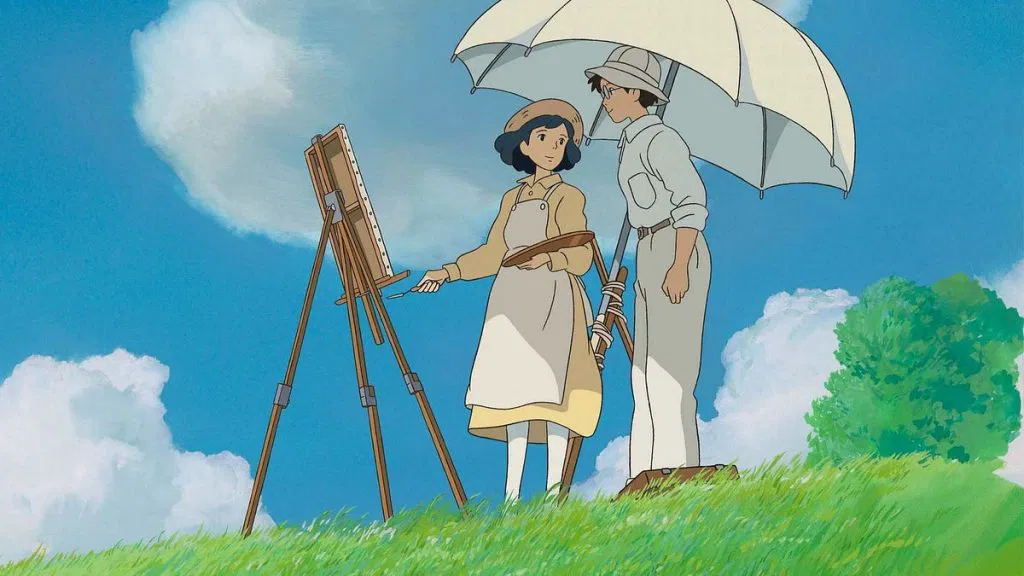
A defining trait of Studio Ghibli films is their environmental detail. Cities, forests, and landscapes are animated with care, creating worlds that feel lived in rather than constructed.
In Princess Mononoke, nature is not just a setting. It becomes a powerful character shaping the story.
Wind through grass, subtle lighting changes, and small background movements give Ghibli environments a sense of realism rarely seen in animation.
Universal Themes
Studio Ghibli films often explore themes that resonate globally:
- The balance between nature and technology
- The impact of war and industrialization
- Childhood imagination
- Personal growth and empathy
These themes allow Ghibli stories to connect with audiences regardless of culture or language.
Iconic Studio Ghibli Films
Several films from Studio Ghibli are considered landmarks in animation history.
Spirited Away
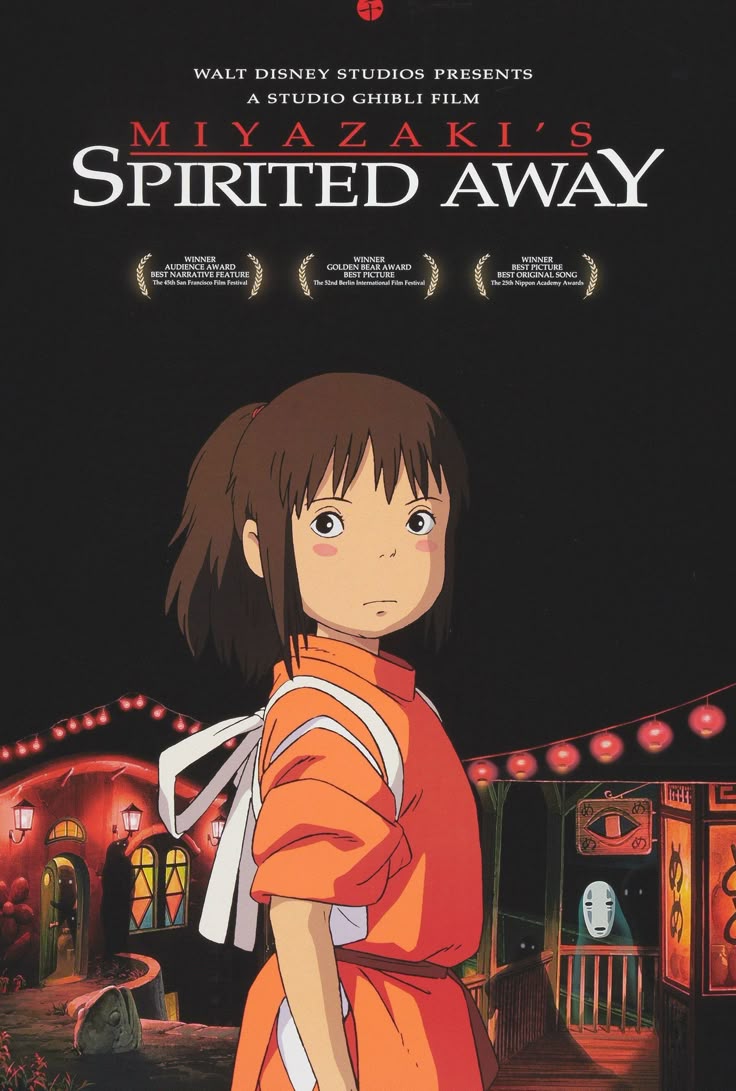
Spirited Away became the first anime film to win the Academy Award for Best Animated Feature.
The film follows a young girl navigating a mysterious spirit world after her parents are transformed, blending surreal fantasy with emotional coming-of-age storytelling.
My Neighbor Totoro
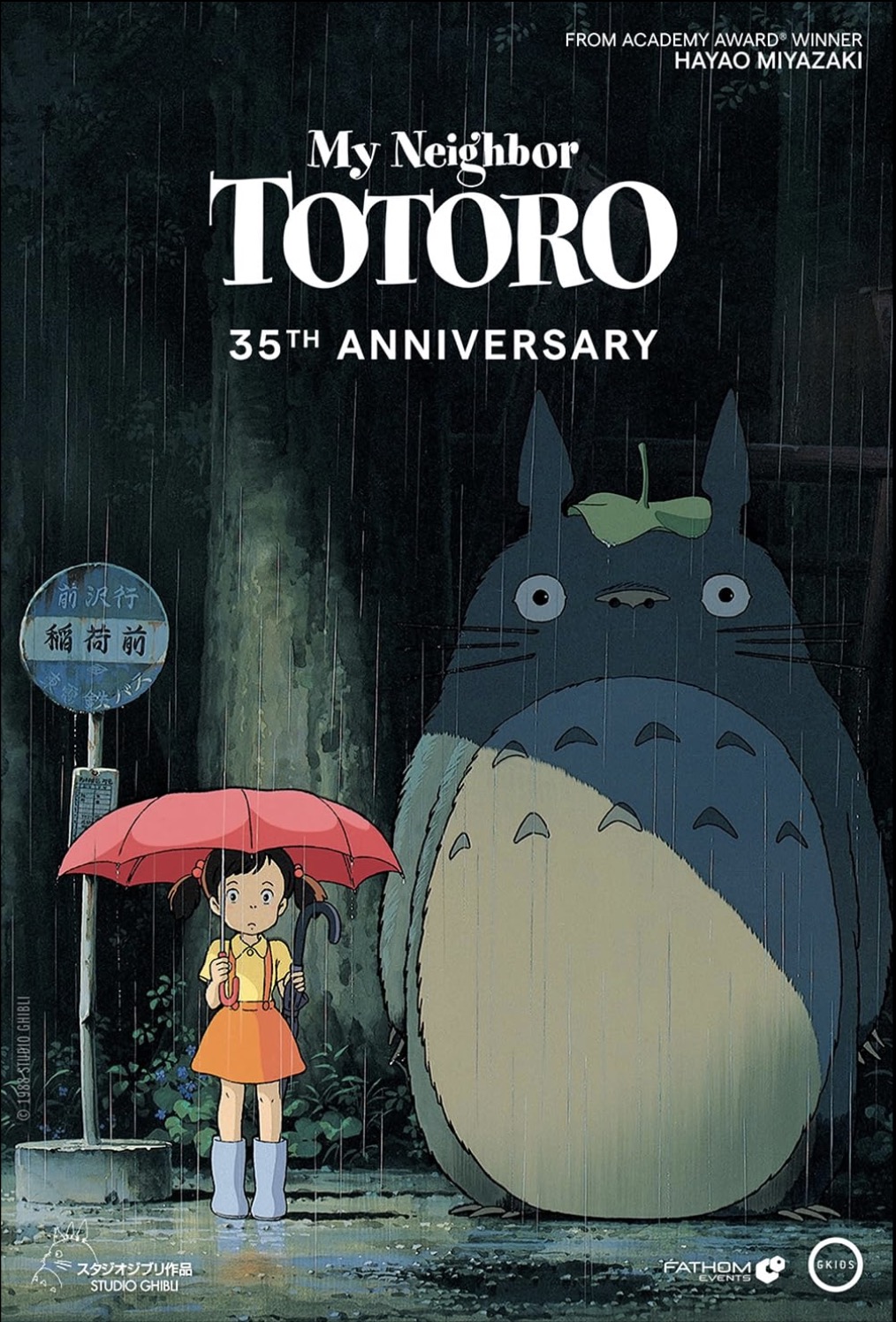
My Neighbor Totoro introduced Totoro, a gentle forest spirit who later became the studio’s iconic mascot.
The film celebrates childhood curiosity and the quiet beauty of rural life.
Princess Mononoke

Princess Mononoke explores the conflict between industrial expansion and the natural world.
The film was one of Japan’s highest grossing releases at the time and remains one of the most ambitious animated epics ever produced.
Howl's Moving Castle
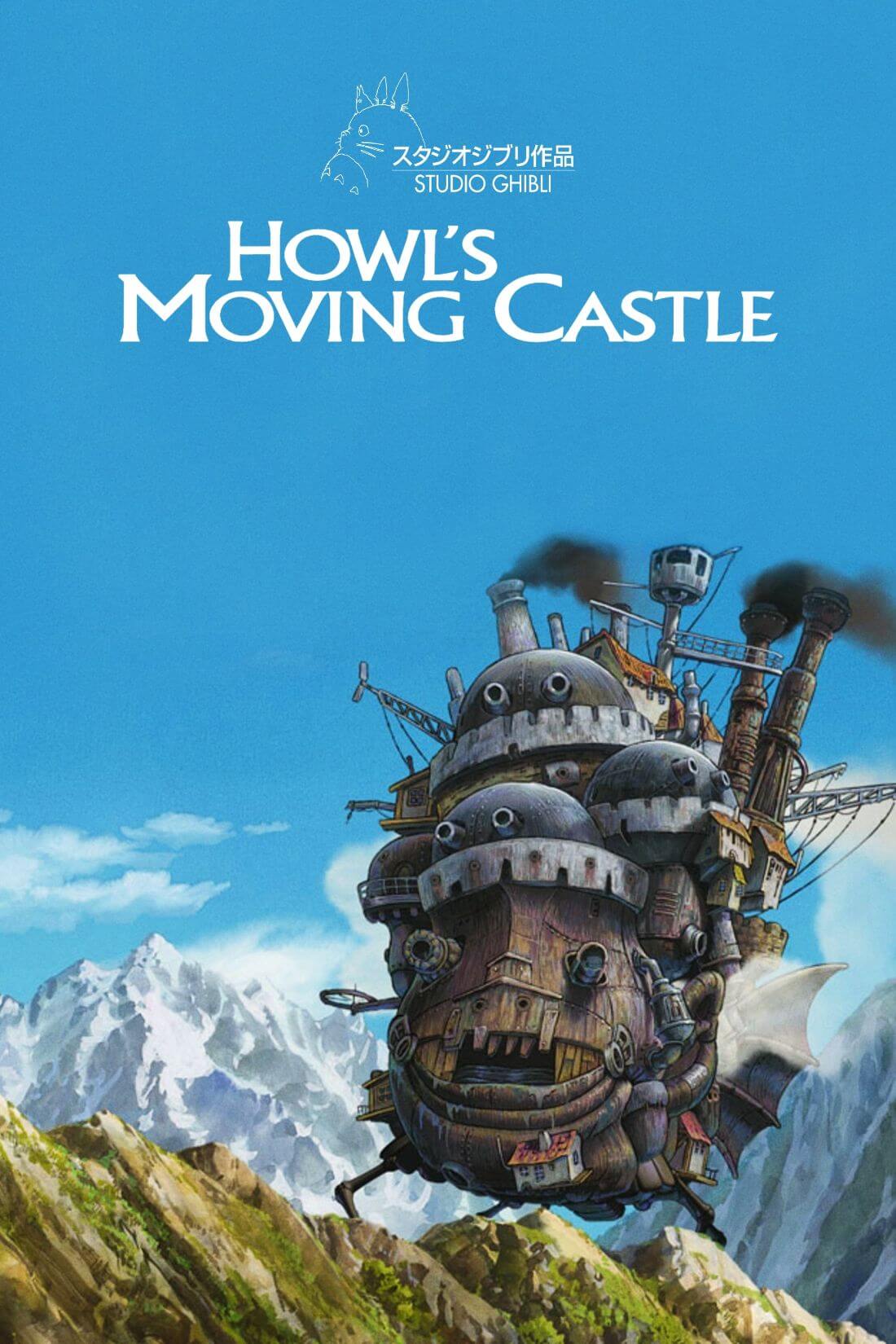
Howl's Moving Castle blends romance, fantasy, and anti war themes through one of the most visually intricate animated worlds ever created.
Its moving mechanical castle became one of the most memorable visual designs in animation.
The Artistic Philosophy Behind Studio Ghibli
Studio Ghibli is widely admired for its commitment to traditional animation craftsmanship.
Rather than relying heavily on automated digital shortcuts, the studio emphasizes:
- Detailed hand drawn frames
- Carefully illustrated environments
- Natural character movement inspired by real life
Hayao Miyazaki has long argued that animation should capture subtle human emotion and imperfect gestures, because these details make characters feel alive.
This philosophy is one reason Ghibli films remain visually timeless.
Global Cultural Impact
The influence of Studio Ghibli extends far beyond Japan.Its films have inspired:
- Independent animators
- Hollywood filmmakers
- Video game designers
- Illustrators and concept artists
Streaming platforms such as Netflix have helped introduce Ghibli films to new audiences worldwide, expanding the studio’s cultural reach.
Studio Ghibli in the Modern Era
Even after decades of filmmaking, interest in Studio Ghibli continues to grow.
The release of The Boy and the Heron marked a major return for Hayao Miyazaki and reminded audiences of the studio’s storytelling power.
Meanwhile, fans can explore the studio’s worlds in real life at Ghibli Park, an immersive park dedicated to the environments and characters of the films.
Why Studio Ghibli Still Matters
In an industry that increasingly prioritizes speed and scale, Studio Ghibli represents a different approach to animation.
The studio emphasizes patience, artistry, and emotional storytelling. Its films continue to demonstrate that animation can be thoughtful, cinematic, and deeply human.
For many viewers and creators alike, Ghibli films are not just entertainment. They are experiences that stay with audiences for years.
Also read: Animated Video Examples (With Styles + When to Use Them)
Frequently Asked Questions (FAQ):
1. What is Studio Ghibli known for?
Studio Ghibli is known for its hand drawn animation, imaginative worlds, and emotionally layered storytelling.
2. Who founded Studio Ghibli?
The studio was founded by Hayao Miyazaki, Isao Takahata, and producer Toshio Suzuki in 1985.
3. What is the most famous Studio Ghibli film?
Many consider Spirited Away to be the studio’s most globally recognized film due to its Academy Award win and international success.
4. Are Studio Ghibli films hand drawn?
Yes. Studio Ghibli films rely heavily on traditional hand drawn animation combined with selective digital techniques.
5. Where can people watch Studio Ghibli films?
In many regions, Studio Ghibli films are available on platforms such as Netflix depending on licensing agreements.
Visit Us
Mactaggart Building, 42 Mactaggart Road,
#02-01E, Singapore 368086
Contact Us
© Elevate Future Labs Pte. Ltd. 2026