How AI actually fits into a production pipeline
People usually ask us one of two things. Is this all AI? Or is a person actually doing the work?
Both questions miss what a real pipeline looks like. AI and a human aren't taking turns. They're doing different jobs, at different stages, on the same project.
Here's where each one actually sits.
Previs: AI goes first
Before we commit to a final direction, we block it out with AI. Camera angles, composition, rough motion. Fast, cheap, disposable.
This is the clearest win. A previs pass that used to take days now takes hours. Nobody has to defend a bad idea just because it took a week to make.
But previs is a sketch, not a sign-off. It shows what's possible. It doesn't decide what's right.
Iteration: more options, same deadline
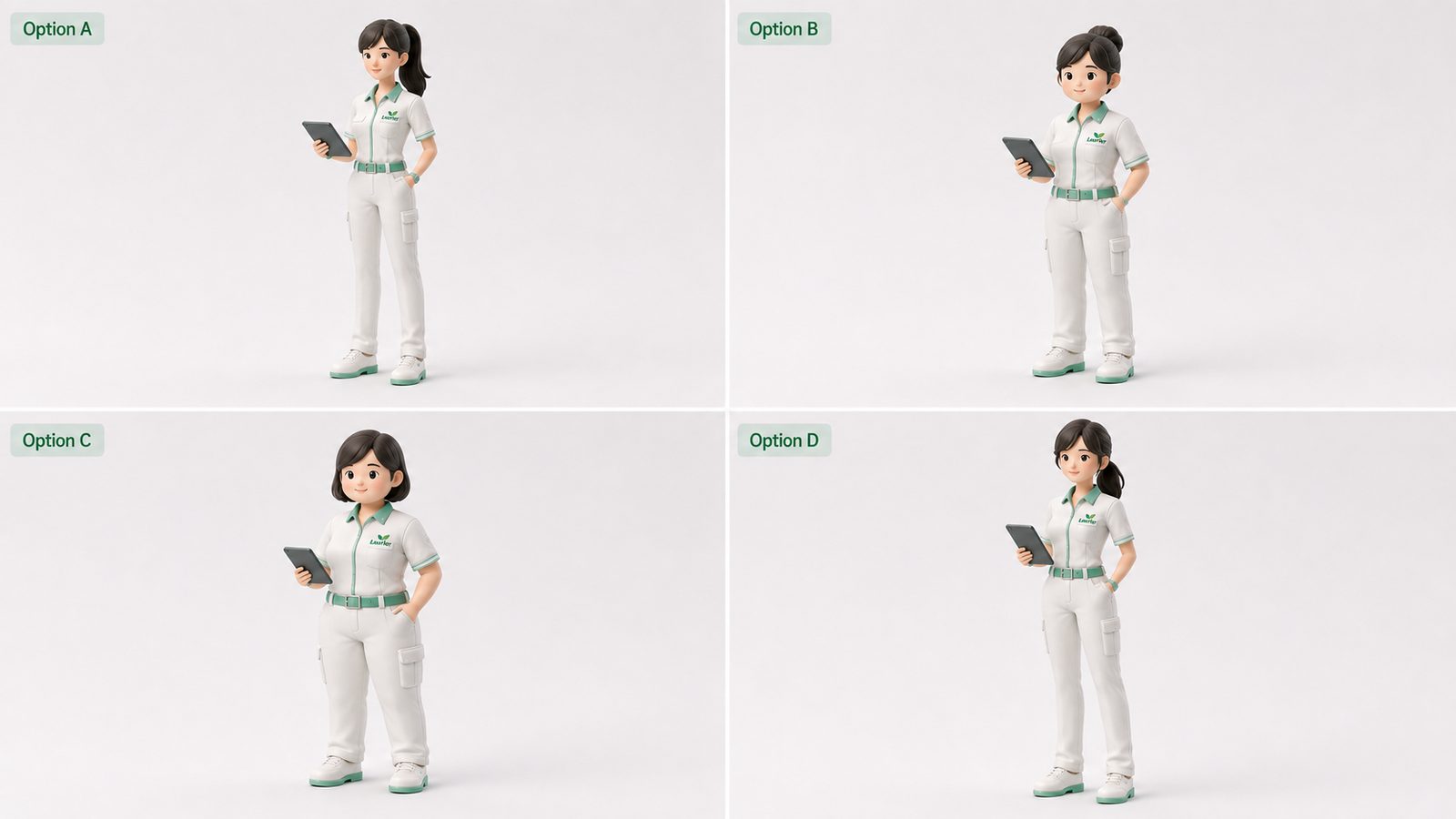
Once a direction is picked, AI earns its keep again. Ten variations of a shot. A palette tested five different ways. A character re-posed without a full re-render.
This is where AI changes the shape of the schedule. Not by skipping steps, but by making each step cheaper to repeat.
The team spends less time producing options and more time choosing between them.
Moderation: where AI stops being the decision-maker
This is the part people skip when they talk about AI pipelines, and it's the part that matters most.
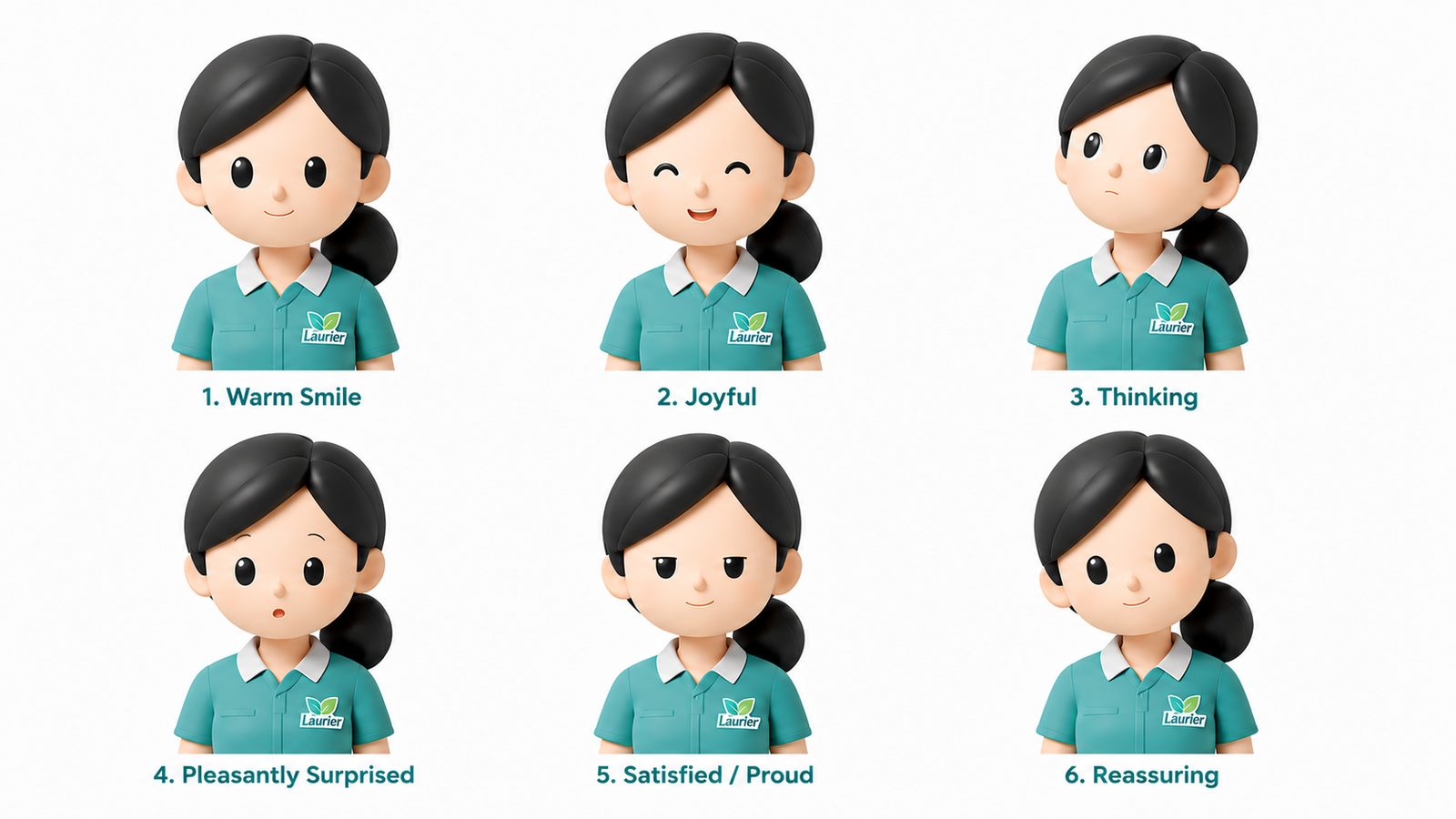
AI output can carry mistakes a brief never asked for. Wrong proportions, an off brand mark, a pose that reads wrong in a market the brief didn't anticipate.
A machine can flag some of this. It can't own it. Every output gets checked by a person before it moves forward, because the cost of a bad frame reaching a client is higher than the time it takes to look.
Calibration: the call that doesn't move
Somewhere in every project, a decision has to get made that isn't really about the tool at all.
Does this still feel like the brand? Does the tone land the way the client meant it to? Is this good, or just fast?
That call sits with a person, every time. AI can generate ten directions in an afternoon. It can't tell you which one is right for this client, in this market, this year.
What this looks like end to end
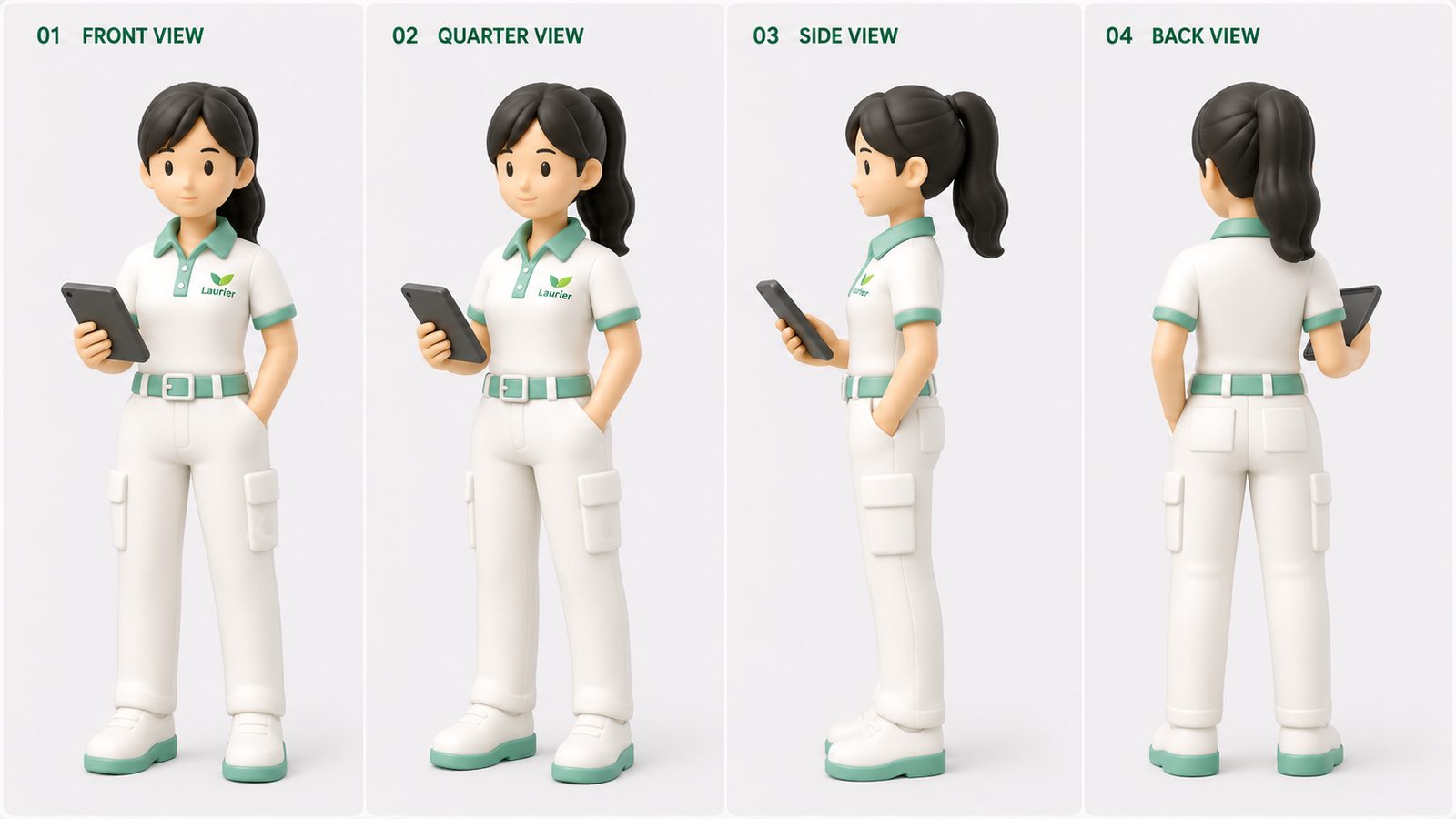
- Previs and blocking: AI first pass, human review before it's approved
- Variations and iteration: AI generates, a person curates
- Moderation: every output checked against brand and brief before delivery
- Creative direction and calibration: human call, start to finish
None of these stages run on their own. That's the actual shape of an AI-accelerated pipeline. Not AI instead of a person. AI, then a person, at every stage that matters.
Ellie Motion builds AI-accelerated production pipelines for brands, with a human reviewing every stage that ships. If you're scoping a project and want to know where AI actually helps, get in touch and we'll walk you through it.
More insights
Related reading
CGI vs AI: What's Actually Different
CGI vs AI: what's actually different, and where each one fits in AI video and animation production. Lessons from Ellie Motion's work with Crypto.com and Maxi-cash.
What AI Actually Saves You in Production
What AI actually saves in video and animation production: time, money, and faster paths to approval. Lessons from Ellie Motion's work with KFC, F1, and Crypto.com.