How 3D Anamorphic Content Actually Gets Made
You've seen the clips. A wave rolls out of a screen onto the street. A creature steps off a billboard and into traffic. Everyone around it stops and holds up a phone.
It looks like magic. It isn't. It's math, built one screen at a time.
It Starts With the Screen, Not the Idea
Most video starts with a concept. Anamorphic content starts with a measurement.
Before any creative work begins, we need the exact screen dimensions, the viewing angle from the street, and the distance people will actually be standing at. Change any of those, and the whole illusion has to be rebuilt from scratch.
This is why the same idea can't just be resized for a different screen. The screen is part of the design, not a container for it.
AI Previsualization Maps the Illusion Before It's Real
Once we know the screen, we block out the shot in AI previsualization. This shows exactly how the depth and distortion will read from the real viewing position, before a single final frame gets made.
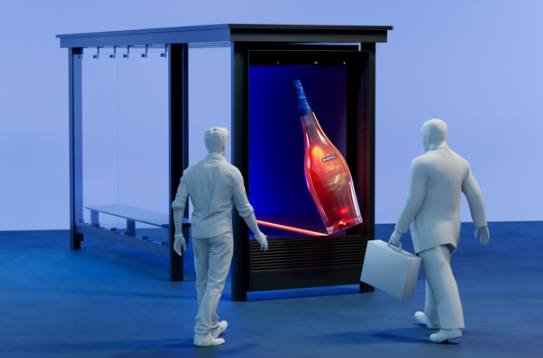
It looks rough on purpose. The goal here isn't beauty. It's proving the illusion holds up from the pavement, not just on a flat monitor.
Skip this step, and you find out the hard way, after the final render, that it doesn't look right from the street.
Production Has to Match Reality, Frame by Frame
Every few seconds of footage can mean a new camera angle and a new depth pass, each one checked against the same viewing position from previs. Keep the illusion consistent and it reads as one continuous object breaking out of the screen. Get it slightly wrong and the depth collapses, and it just looks like a flat video again.
This is also why longer isn't simply "more of the same." A 30-second hero moment and a 2-minute loop are different builds, not different lengths of the same build.
Calibration on Site Closes the Gap
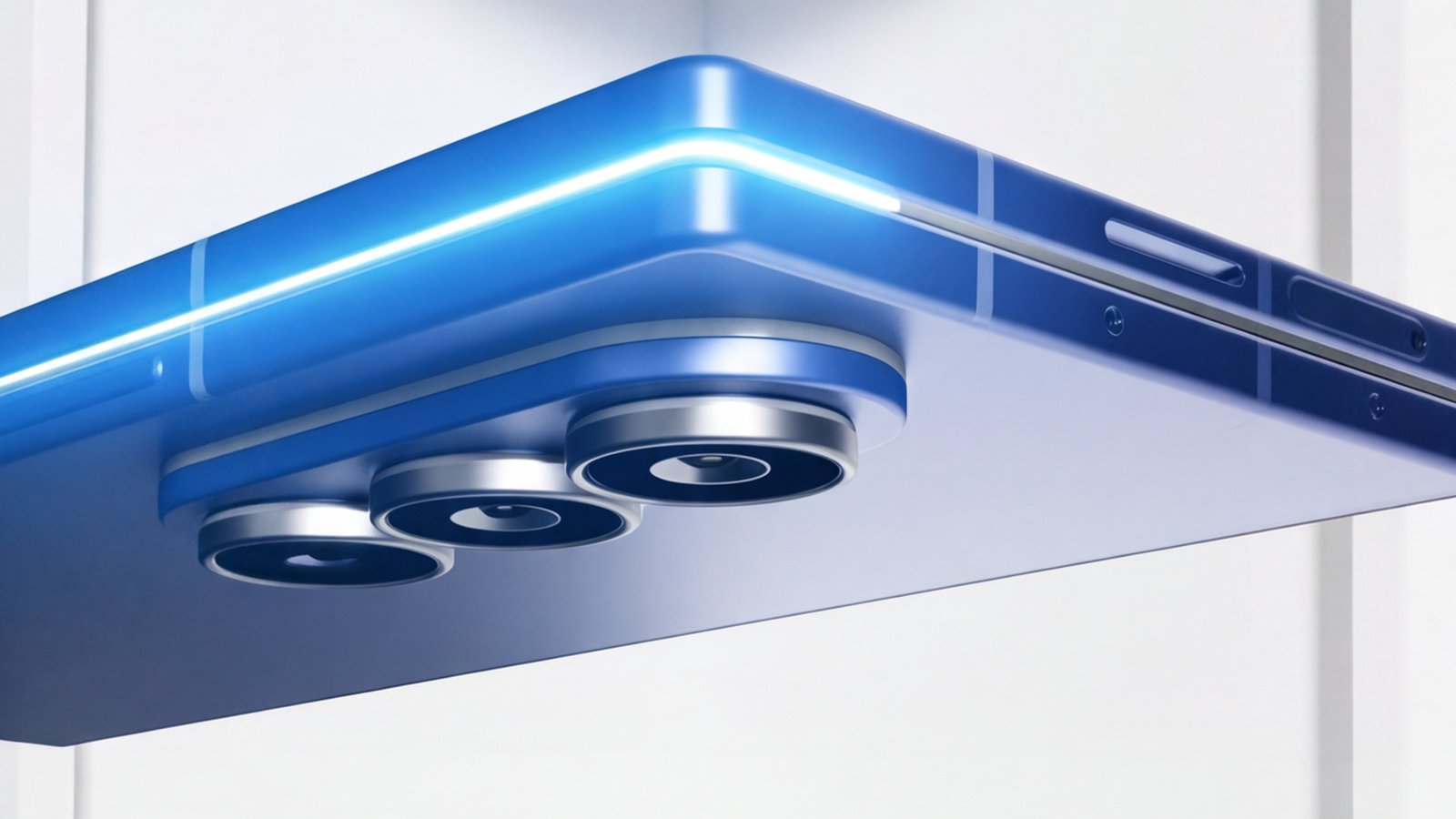
Even with a perfect previs and a perfect render, the final step happens in front of the real screen. Lighting conditions, screen brightness, and the actual street vantage point all shift things slightly. A short calibration pass on site is what makes sure the illusion holds up for the people actually walking past it, not just for us in a review room.
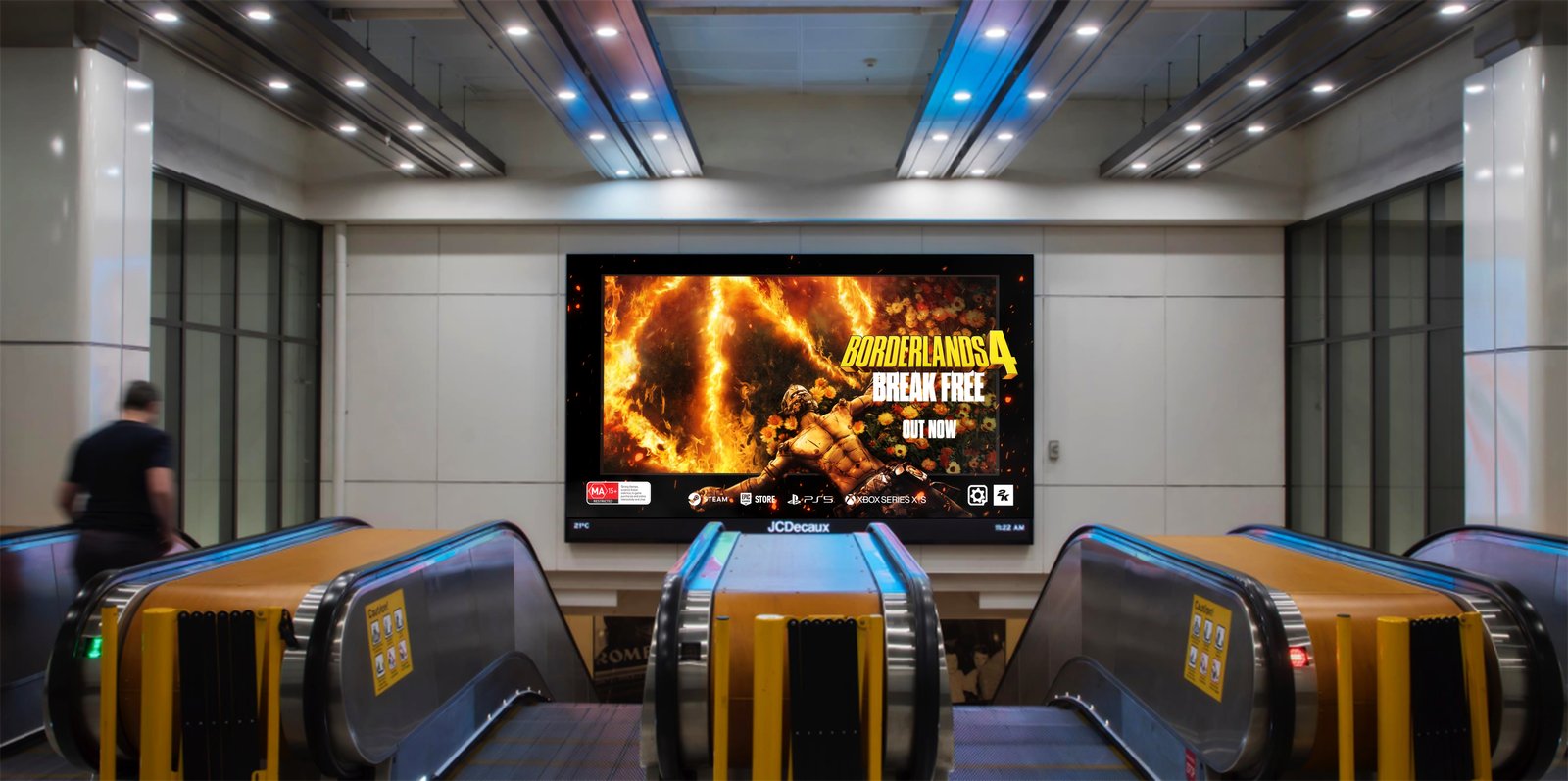
We've run this AI-driven anamorphic process behind screens for Samsung, Borderlands 4, Martell, and several other brands across Asia. The format always looks effortless from the street. It never is.
Common Questions About How 3D Anamorphic Content Gets Made
What makes anamorphic content different from a normal video ad?
A normal video plays the same everywhere. Anamorphic content is built for one screen, one angle, one spot. It only works as designed from that exact position.
Can an anamorphic video be reused on a different screen?
Not without rework. Different screen dimensions and angles mean the depth and distortion have to be recalculated from scratch.
How do you know the illusion will work before it's built?
Previsualization. We block out the shot against the real screen dimensions and viewing angle before committing to final production.
Does the illusion need testing on site before launch?
Yes. Lighting and screen brightness shift the effect slightly in the real world. A short calibration pass on site closes that gap.
More insights
Related reading
How AI actually fits into a production pipeline
How AI actually fits into a content automation pipeline, from AI previs and iteration through AI moderation and human review in the content delivery workflow. Where AI speeds things up, and where Ellie Motion keeps a person deciding.
CGI vs AI: What's Actually Different
CGI vs AI: what's actually different, and where each one fits in AI video and animation production. Lessons from Ellie Motion's work with Crypto.com and Maxi-cash.